White Goods Recycle in Waste Removal
If you need White Goods Recycle in Waste Removal, you are likely dealing with an appliance that is too heavy, too awkward, or too old to move safely on your own. From a broken fridge in a family kitchen to a bulky freezer in a shop storeroom, white goods can quickly become a hassle when they stop working. A local waste removal team helps you clear them away in a practical, responsible way, with attention to lifting, loading, and proper disposal.
Many households and businesses in the area need appliance removal at short notice. Whether you are replacing a washing machine, clearing a garage, refurbishing a rental property, or emptying a commercial unit, it is useful to have a service that understands local access, parking, and collection challenges. White goods recycling is not just about taking away clutter; it is about helping customers deal with large items safely and making sure they are handled correctly once they leave your property.
Our approach is simple: make the process easy for local customers, keep the collection process clear, and ensure the appliance is sent for appropriate reuse, recycling, or disposal depending on its condition. If you are looking for a reliable way to remove domestic or commercial appliances, this page explains what is included, how the service works, what can affect the price, and why a local waste removal team can save time and effort.
What Counts as White Goods?
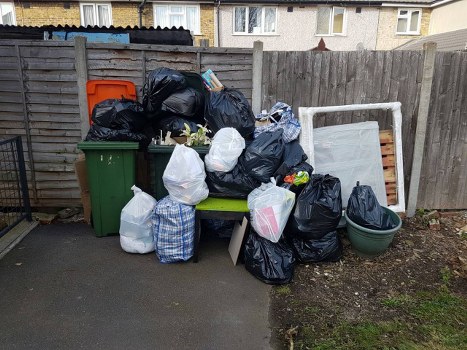
White goods are the large household appliances that most people rely on every day. They usually include items such as fridges, freezers, washing machines, tumble dryers, dishwashers, ovens, cookers, and some built-in appliances. These items are often heavy, difficult to manoeuvre, and not suitable for ordinary kerbside disposal. That is why a dedicated white goods recycle in waste removal service is often the most convenient option.
In many homes, white goods are located in tight kitchens, utility rooms, basement areas, loft conversions, or outbuildings. In flats and terraced properties, the challenge is often not just weight, but also stairs, narrow hallways, shared entrances, and limited parking. Commercial sites can add another layer of difficulty, especially if the appliance is in a back room, cellar, or staff area with restricted access.
It is also worth remembering that different white goods may contain materials or components that need careful handling. For example, refrigerators and freezers can contain gases or insulation materials that must be processed properly, while electrical parts should be separated and sent through the correct recycling route. A responsible waste removal service takes these details into account rather than simply treating everything as general rubbish.
Why Local White Goods Recycling Matters
Choosing a local service for appliance removal gives you a practical advantage. A local team knows the road layout, parking pressure, typical property types, and access issues that can make a collection straightforward in one street and challenging in the next. This matters when you need a fridge or washing machine removed from a third-floor flat, a side alley, a narrow terrace, or a busy commercial premises.
Local customers often need flexibility. Some need a same-day or next-day collection after a replacement appliance arrives. Others are completing a house clearance, handling a tenancy changeover, or clearing equipment after a business refit. A nearby team can usually respond more quickly and can adapt to the conditions on site. That makes the service less stressful and more efficient.
White goods recycle in Waste Removal should feel practical, not complicated. You should not have to struggle with heavy lifting, borrow a van, or make several trips to a recycling centre. A proper collection service helps reduce disruption to your day, keeps the item moving through the right disposal route, and gives you confidence that the appliance is not simply being dumped somewhere unsuitable.
What We Can Collect
Domestic appliances and larger household items
For homeowners, landlords, and tenants, the most common items are kitchen and laundry appliances. These can include:
- Fridges and under-counter fridges
- Chest freezers and upright freezers
- Washing machines and washer-dryers
- Tumble dryers and vented dryers
- Dishwashers and integrated dishwashers
- Electric ovens and cookers
- Microwaves and small built-in electrical units, where applicable
Some households also need help when replacing multiple appliances during a renovation, kitchen upgrade, or end-of-tenancy clean-out. Rather than arranging separate trips for each item, a waste removal team can often remove several appliances in one visit, which is usually easier and more efficient for the customer.
In addition to standard domestic appliances, some customers also ask for collection from garages, sheds, utility rooms, and outbuildings. This may include old chest freezers, second fridges, bottled drink coolers, or obsolete laundry equipment. If you are not sure whether an item qualifies as a white good, it is worth asking before booking so the collection can be planned properly.
Commercial White Goods Recycle in Waste Removal
Helpful for shops, offices, landlords, and hospitality premises
White goods removal is not just for households. Local businesses often need appliance collections when changing premises, updating staff facilities, or replacing equipment that is no longer fit for use. Offices may need old fridge units removed from kitchen areas. Cafes and restaurants may need freezers or drink fridges cleared. Letting agents and landlords may need appliances removed between tenancies or at the end of a clear-out.
Commercial collections often require a careful plan. Access routes can be busier, and appliances may be located behind counters, in basements, on upper floors, or in shared service yards. A local waste removal team understands how to work around these issues while keeping disruption to staff, customers, or residents as low as possible.
For business customers, white goods recycle services also offer a cleaner way to manage old equipment that no longer has a place on the premises. Instead of cluttering storage space or waiting for the right vehicle, you can arrange a collection that fits your operating hours and site layout. That can be particularly useful during refits, closures, or planned maintenance.
How the Service Works
A clear process from enquiry to collection
Most customers want the collection process to be simple and predictable. A good waste removal service normally follows a straightforward flow:
- Provide details about the appliance or appliances you want removed.
- Share access information such as stairs, parking, tight entrances, or loading restrictions.
- Agree a suitable time for collection, depending on availability.
- Prepare the appliance so it can be safely moved.
- Have the team remove and load the item from your property or premises.
- Ensure it is handled appropriately for recycling, reuse, or disposal.
This process is designed to reduce the strain on you. Heavy lifting, lifting awkward objects through doorways, and getting appliances out of upper-floor flats or cramped kitchens can be difficult without proper equipment and experience. A local team helps manage those tasks more safely and efficiently.
Contact us today if you would like a collection arranged for a fridge, freezer, washing machine, dishwasher, cooker, or mixed appliance load. If you are working to a deadline, such as a move-out date or renovation schedule, it is sensible to request a collection as early as possible.
Why Responsible Recycling Matters
Protecting materials, spaces, and the environment
White goods are made from a range of materials that can often be recovered and reused. Metals, plastics, wiring, and certain components can be separated and processed correctly. In the case of fridges and freezers, there are additional environmental considerations that make proper handling especially important. That is why white goods should not be left to sit in a garden, alleyway, or shared hallway, and should never be dumped illegally.
Responsible appliance disposal also helps households and businesses avoid unnecessary mess and safety risks. An old machine with sharp edges, damaged wiring, or leaks can become a hazard if it is left in the wrong place. By arranging a professional collection, you reduce the risk of injury and keep the property tidy while the item is removed through the right route.
White goods recycle in Waste Removal is especially valuable when you want the item gone without creating extra work for yourself. It combines convenience with responsible handling, which is the right balance for local customers who care about both practicality and disposal standards.
Common Local Situations Where Appliance Removal Helps
Real-life reasons customers book collections
Many bookings start with an everyday problem that becomes urgent fast. A fridge stops working over a weekend. A washing machine leaks and has to be replaced before the family can do another load. A landlord needs an old cooker removed after a tenancy ends. A shop is refitting its back-of-house area and needs an unused freezer cleared out.
Local property types also create specific challenges. Terraced homes may have limited side access. Flats can mean multiple flights of stairs and shared corridors. Semi-detached homes may have driveways, but still require careful lifting through compact kitchens or utility spaces. Commercial units can be easier to load from the front but harder if the appliance is stored at the rear of the building. A nearby waste removal team is used to working with these practical realities.
Customers in nearby neighbourhoods, suburban streets, busy high roads, and mixed residential-commercial areas all benefit from a flexible service. If the appliance is too large for your own vehicle, too heavy for one person to move, or too awkward to take to a recycling point, a collection makes the job manageable. Book your service now if you want a straightforward way to clear the item without disruption.
What Is Included in a White Goods Collection?
What customers can usually expect
While each job is different, a typical white goods collection may include loading the appliance from inside the property, carrying it from the driveway or front garden, or removing it from a designated collection point if access has already been arranged. The aim is to make the service as convenient as possible while keeping the work safe.
Depending on the job, the service may involve:
- Single-item appliance removal
- Multiple white goods in one visit
- Removal from homes, flats, shops, offices, and hospitality sites
- Careful handling around tight corners and stairs
- Loading onto the waste removal vehicle
- Appropriate recycling or disposal processing after collection
In many cases, customers also want help with light additional items that are linked to the appliance, such as old shelving, packaging, or adjacent scrap items from a kitchen or utility room clear-out. If this applies, mention it when booking so the collection can be planned accurately. That way, the team can arrive prepared for the scope of the job.
What Affects the Cost?
Practical factors that shape the quote
Customers often want to know what influences the price of white goods collection. Exact costs depend on the details of the job, but the main factors are usually easy to understand. The type of appliance matters, because some items are larger, heavier, or more difficult to move than others. The number of items also matters, since a single under-counter fridge is a different job from a full load of mixed appliances.
Access is another important factor. A ground-floor kitchen with direct outdoor access is generally simpler than a fourth-floor flat with no lift, narrow stairs, and restricted parking. Likewise, a business unit with easy loading access is usually quicker to service than a premises where the appliance must be moved through several internal areas. Waste removal teams consider these details when preparing a quote so the collection reflects the real work involved.
Other variables may include timing, urgency, and the location of the property within the local area. If you need a same-day or next-day appointment, or if the item is in a particularly awkward spot, that can affect planning. The best approach is to provide clear information from the start so you receive a realistic quote and the job goes smoothly.
Preparation Checklist Before Collection
Simple steps that make removal easier
Preparing ahead of time can help the collection run more efficiently. While the waste removal team will handle the lifting and loading, a few small actions from you can make the visit smoother and reduce delays on the day.
- Empty the appliance of food, laundry, crockery, or loose contents.
- Defrost fridges and freezers in advance where possible, and wipe away excess water.
- Disconnect appliances safely if required and if you are able to do so.
- Clear a path from the appliance to the exit if the item is indoors.
- Check parking or access so the crew can get close to the property if needed.
- Tell us about stairs, lifts, or tight entrances before collection day.
These steps are not always essential, but they do help. For example, a freezer that has not been defrosted may leak during removal, and a cluttered hallway can slow the job down. A little preparation can make a big difference, especially when dealing with a heavy appliance in a busy household or a commercial setting.
If you are not able to prepare everything yourself, do not worry. Tell the team what the situation is and they can advise on the best way to proceed. The goal is to keep the collection practical and stress-free.
Safety and Access Considerations
Why experience matters on collection day
Moving large appliances is more than a lifting job. It requires care, coordination, and an awareness of potential hazards. White goods can be awkward to grip, unstable on stairs, and difficult to turn through narrow doorways. In older properties, door frames, flooring, and internal corners can be easy to damage if the job is rushed. A local waste removal team is used to planning around these risks.
Access and parking can also shape the process. In some streets, there may be limited stopping space, controlled parking, or tight turning areas. In flats and apartment blocks, service entrances, communal corridors, or lift size may need to be considered. On business premises, loading bays or back entrances may only be accessible at certain times. These are the kinds of real-world details that local customers face every day.
White goods recycle in Waste Removal works best when these details are discussed clearly before the visit. The more the team knows about the site, the more smoothly the collection can be managed. That is especially important for bulky items like American-style fridges, stacked laundry appliances, and integrated units that may be fixed into place.
Areas Covered
Serving homes and businesses across the local area
Customers often want to know whether appliance removal is available in their part of town. Local waste removal services typically cover a wide spread of nearby areas, including residential streets, town centre properties, estates, villages, and mixed-use neighbourhoods. Depending on the provider, collections may also extend to surrounding districts, commuter areas, industrial zones, and nearby rural locations.
This broad local coverage matters because white goods collections are rarely one-size-fits-all. A detached home with a driveway may be quick to service, while a flat in a busy centre or an older building in a narrow street may need more careful planning. Commercial customers may be based in shopping parades, light industrial units, office blocks, or hospitality venues. A local team is better placed to work across those different environments.
If you are unsure whether your address is covered, it is worth asking when you request a quote. Provide the postcode or area name, explain the access conditions, and mention whether you are a household, landlord, or business customer. That helps ensure the team can confirm availability and plan the collection properly.
Why Choose a Local Waste Removal Company?
Practical benefits for local customers
Choosing a local company for appliance recycling offers more than convenience. It usually means faster response times, better understanding of local roads and restrictions, and a collection process that feels more personal and responsive. When you are dealing with a heavy item that needs removing quickly, those details really matter.
Local teams also tend to understand the common property types in the area. They know where parking is tight, where flats may have awkward access, and where older homes may have small doorways or steps at the entrance. That experience helps the crew plan the job correctly, which can save time on the day and reduce the chance of problems.
For customers who want a straightforward, responsible solution, a local service can be the best fit. It keeps your waste removal needs close to home, reduces the hassle of trying to move the appliance yourself, and supports a more organised route for reuse and recycling. If you are ready to clear the space, request a free quote and arrange a collection time that suits you.
What Happens After Collection?
Reuse, recovery, and responsible disposal
Once the appliance has been loaded, the next stage is proper handling. Depending on the condition of the item and local processing options, it may be checked for reuse potential, broken down into recyclable materials, or sent through the correct disposal route. This matters because white goods contain a mix of recoverable parts and components that must be handled responsibly.
Some appliances are simply beyond repair, but even then the materials inside them may still have value through recycling. Metals can be recovered, wiring can be separated, and different parts can be processed in line with appropriate disposal practices. The goal is to minimise avoidable waste while making sure the item is no longer taking up space at your property.
For the customer, the most important outcome is often peace of mind. You get the appliance removed, your space is cleared, and the item is handled in a way that is more responsible than leaving it in storage, on the pavement, or in a shared bin area. That is the kind of practical service local residents and businesses look for when booking a white goods collection.
Frequently Asked Questions
Common customer questions answered
Do I need to move the appliance outside before collection?
Not always. In many cases, the team can remove the item from inside the property, provided there is safe access. If the appliance is already outside or in a garage, that may make the visit quicker.
Can you take more than one white good at once?
Yes, multiple appliances can often be collected together. Let the team know what you have so the collection can be planned with the right vehicle space and lifting support.
What if the appliance is upstairs or in a flat?
Stairs and upper-floor locations are common. Tell the team in advance if there is no lift, narrow access, or a communal entrance so they can prepare for the job.
Do fridges and freezers need special handling?
Yes. These items can involve extra care because of their components and contents. Defrosting them before collection helps, and it is best to mention any issue such as leaks or built-in fittings.
Can you help landlords or letting agents?
Yes. Appliance removal is often booked for tenancy turnovers, end-of-lease clear-outs, and property refreshes. It is useful when a quick turnaround is needed between occupants.
Is this suitable for businesses too?
Absolutely. Shops, offices, cafes, restaurants, and other commercial premises often need appliance removal when equipment is replaced, moved, or no longer usable.
How should I prepare if I’m unsure whether the appliance still works?
That is fine. The condition of the item can still be assessed for removal purposes. If possible, provide a description of the appliance, its location, and any access challenges.
Ready to Arrange Collection?
Make the space usable again
If an old appliance is taking up room in your kitchen, garage, utility area, storeroom, or business premises, now is a good time to deal with it. Professional white goods recycling gives you a simple way to clear bulky items without lifting, transport, or disposal stress. It is a practical choice for local customers who want the job done properly.
Whether you are replacing a single washing machine, clearing several appliances during a renovation, or arranging a commercial collection for a busy site, a local waste removal team can help. The service is designed around real customer needs: safe handling, flexible access, responsible processing, and an efficient collection from your property or premises.
Contact us today to discuss your appliance removal needs, ask for a quote, or book a collection time that works for you. When you are ready to clear the clutter and free up valuable space, White Goods Recycle in Waste Removal is a straightforward solution that local households and businesses can rely on.
Helpful reminder for customers
Have the appliance details ready, including type, location, and access notes. If you can share whether the item is inside, upstairs, integrated, or already disconnected, it will help make the booking smoother.
Simple next step
Request a free quote or book your service now if you want to arrange collection without delay.