Garbage Collection in Waste Removal: Local Service for Homes, Businesses, and Properties That Need a Reliable Clear-Out
If you need garbage collection in Waste Removal, you are probably dealing with a very practical problem: rubbish is piling up, storage space is disappearing, and you want it handled quickly, safely, and without hassle. Whether it is household junk, commercial refuse, builder’s debris, garden waste, or a mixed load after a move or renovation, the right local team can make a major difference. A professional service is not just about taking things away. It is about making the process simple for you, reducing stress, and keeping your property tidy, accessible, and usable again.
Local customers often need flexible help because every property is different. Flats with narrow stairwells, terrace homes with limited rear access, shops with busy loading times, offices with shared entrances, and light industrial units with restricted parking all require a waste removal service that can adapt. That is why garbage collection and waste removal is most useful when it is planned around the realities of your property, your schedule, and the kind of waste you need taken away.
This page is written for people who want a dependable local solution. If you are looking for a one-off clear-out, recurring waste collection, or help with bulky items that are too awkward to manage alone, you will find useful details below about what is included, how the service works, what affects pricing, how to prepare, and why a local company can be easier to work with than a one-size-fits-all option.
What Garbage Collection in Waste Removal Covers

Garbage collection can mean different things depending on the property and the type of waste involved. For some customers, it means taking away black bag rubbish from a home after a clear-out. For others, it means removing office waste, packaging, shop refuse, or leftover materials from a refurbishment. In practice, a good local waste removal service is there to collect, load, and dispose of non-hazardous waste in a lawful and responsible way.
Many people choose this service when household bins are overflowing, bulky items cannot go to the kerb, or waste is too much for the usual collection day. It is also commonly used after decluttering, tenancy changes, probate clearances, property maintenance, and seasonal clean-ups. The aim is simple: remove unwanted waste quickly, safely, and with minimal disruption.
Depending on the job, collection may include general rubbish, bagged waste, cardboard, old furniture, broken appliances, garden cuttings, renovation debris, and mixed junk from garages, lofts, sheds, or storage rooms. If you are unsure what can be taken, a local team can usually assess the load and explain what is suitable before work begins.
Why Local Customers Choose a Waste Removal Service
People often start looking for help when the waste has become too much to handle alone. But the real reason they stick with a local provider is convenience. A nearby team can be more responsive, more familiar with local access issues, and more comfortable working in the kinds of streets, estates, business parks, and neighbourhood properties found in the area.
For residents, that may mean help with a driveway full of renovation waste, a back garden that needs clearing, or a flat that has accumulated items over time. For businesses, it might mean regular rubbish collection, one-off commercial clear-outs, or support after office refurbishment, shop fitting, or stockroom reorganisation. In both cases, speed, reliability, and clear communication matter just as much as the actual collection.
A local service is also useful because waste often needs removing at times that suit your day. Parking restrictions, school-run traffic, shared access, and busy high streets can all affect the collection window. A team that knows the local area can plan better, arrive prepared, and work more efficiently once on site.
Types of Waste Commonly Collected
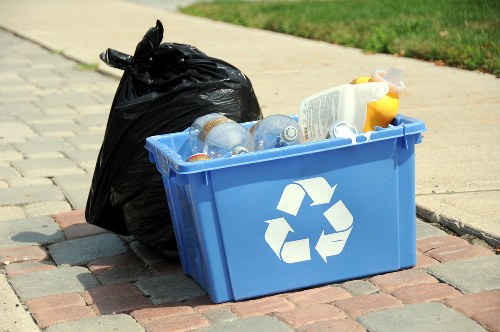
Not all rubbish looks the same, and the right collection approach depends on what you need removed. A flexible waste removal service can usually handle a wide mix of everyday materials and bulky unwanted items. This is especially important when you are sorting through a property and the pile includes several different types of waste.
Common examples include:
- Household junk and general rubbish
- Bulky items such as beds, wardrobes, tables, and chairs
- White goods and certain appliances
- Cardboard, packaging, and storage waste
- Garden waste such as branches, grass cuttings, and hedge trimmings
- DIY and renovation waste such as timber offcuts, tiles, old fixtures, and plasterboard
- Office waste, paper, desks, shelving, and archived items
- Retail and commercial refuse from stockrooms, fit-outs, or end-of-line clear-outs
Some materials need separate handling, and some items may not be suitable for standard collection. If you have anything unusual, it is best to ask in advance. That way, the team can tell you what is accepted and what preparation is needed before the booking.
How the Service Works from Start to Finish
Most customers want a waste service that is straightforward. The process should not be complicated, and it should not leave you wondering what happens next. A well-run collection usually follows a simple pattern that makes it easy to plan around your day.
First, you describe the job. That might include the type of waste, approximate volume, the property type, whether there are stairs or access issues, and the preferred collection timing. This information helps the team understand the likely vehicle size, labour needed, and how long the removal may take.
Next, the collection is scheduled. On arrival, the team will confirm the waste to be taken, check access, and begin loading. Once the items are removed, the area is tidied, and the waste is taken away for appropriate disposal. For local customers, this is often the most valuable part: the job is completed without you needing to hire a skip, arrange permits, or spend time lifting heavy material yourself.
What to Expect on Collection Day

Collection day should feel organised rather than disruptive. If you are having waste removed from a home, driveway, garden, or commercial premises, a good team will work around the space you have available and keep the process as tidy as possible. Where access is limited, the crew may need to carry items from an upstairs room, rear garden, basement, or shared courtyard. That is one of the biggest reasons customers look for a local rubbish removal service instead of trying to manage it themselves.
You can usually expect the team to:
- Confirm the waste and access on arrival
- Load items safely and efficiently
- Separate recyclable materials where possible
- Remove the waste from your property
- Leave the area neat and ready for use again
Good preparation helps the day go more smoothly, especially if there are items you want left behind or grouped in separate piles. It also helps if pathways are clear and any access points are unlocked or available when the crew arrives.
Residential Waste Removal for Local Homes
Households often need waste collection for reasons that are practical rather than planned. A garage gets filled over years. A loft becomes a storage area for unused items. A garden project leaves piles of cuttings and broken materials. A family move uncovers old furniture, toys, and unwanted clutter that no longer has a place in the home. These are common situations, and they are exactly where a local waste removal team can help.
Residential customers also value discretion and care. Not every waste job is about a big clear-out; sometimes it is about removing a few large or awkward items without upsetting the neighbours or blocking access. A local team understands the need to work quickly and respectfully, especially in terraced streets, apartment blocks, cul-de-sacs, and shared driveways where space is limited.
If you are preparing a property for sale, letting, or renovation, waste removal can be a useful first step. Clearing debris makes it easier to decorate, repair, clean, or stage the space. It also helps create a better impression for anyone viewing the property later. In many cases, getting the rubbish out is the task that unlocks everything else.
Commercial Garbage Collection for Businesses
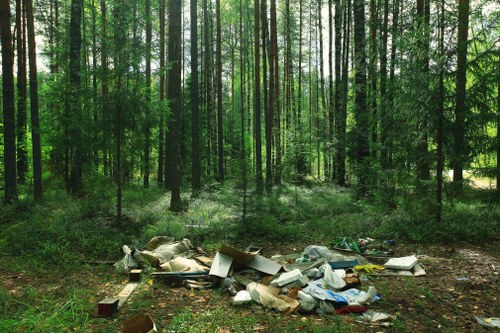
Businesses often need a different kind of waste collection because timing, access, and volume matter more. Offices may need old desks, paperwork, monitors, and furniture removed during a relocation or reconfiguration. Retail units may need packaging, shelving, display materials, and stockroom waste collected after a refit. Hospitality venues, landlords, managing agents, and trades can all benefit from a reliable local waste removal service when the rubbish cannot wait.
Commercial customers typically want minimal disruption. That means collections can be arranged to suit quieter periods, early openings, or short access windows. It also means the work needs to be efficient, safe, and respectful of shared spaces, customer footfall, and loading restrictions. When a local service knows the area well, it is easier to plan around these practical details.
For many businesses, waste removal is not just about clearing space. It is about maintaining a professional environment, staying on top of regular refuse, and avoiding clutter that can affect operations. A dependable collection service helps keep stockrooms usable, public areas presentable, and staff spaces clear.
Property Types and Local Access Challenges
Every town or district has its own mix of buildings, and that influences how garbage collection is carried out. Some properties have easy driveway access and room for larger vehicles. Others involve tight alleyways, permit-only streets, shared entrances, or stair-only access to upper floors. These details matter because they affect loading time, labour, and the best approach to removal.
Common local property types include:
- Terraced houses with rear lanes or narrow front access
- Flats and apartments with stairwells, lifts, or communal hallways
- Semi-detached and detached homes with driveways or side access
- Retail units on busy streets with limited parking
- Offices in mixed-use buildings or business parks
- Workshops, garages, and light industrial units with heavier waste streams
Because of these realities, a local company is often the easier choice. They are more likely to understand parking restrictions, loading bay timings, estate layouts, and the best ways to move waste safely without causing inconvenience to you or nearby residents and businesses.
What Is Included in a Typical Waste Collection
Customers often want to know what they are paying for before they book. A typical waste collection service should cover more than just driving away with rubbish. It should include the labour, loading, and handling needed to remove the waste from your property and take it away responsibly.
Depending on the job, the service may include:
- Arrival at the agreed time or within the scheduled window
- Assessment of the waste and access conditions
- Manual lifting and loading of items
- Tidying the cleared area after removal
- Transporting the waste for suitable disposal or recovery
It is always wise to clarify what is included before booking, especially if the items are upstairs, in the garden, behind a locked gate, or mixed with materials that may require special handling. Clear information helps avoid surprises and makes the service smoother for everyone involved.
Preparation Checklist Before Your Collection

A little preparation can save time and help the removal go more smoothly. You do not need to do the heavy lifting yourself, but arranging the waste in a practical way can speed up the job and reduce confusion on the day. This is especially helpful when the collection involves more than one kind of waste or when access is tight.
Before your appointment, consider the following checklist:
- Separate the items you want removed from anything staying on site
- Make sure access routes are as clear as possible
- Park vehicles or move obstacles if they block the loading area
- Keep gates, doors, or communal access points available if needed
- Tell the team about stairs, narrow passages, or parking restrictions
- Set aside anything fragile, valuable, or not to be touched
If you are organising a clear-out of a loft, garage, shed, office, or garden, it can also help to group similar items together. That makes the collection more efficient and can be useful if you want different material types separated where possible.
Pricing Factors: What Usually Affects the Cost
Local customers often ask what influences the price of garbage collection and waste removal. While exact figures vary by job, there are several common factors that usually affect how a collection is assessed. Knowing these in advance can help you request a more accurate quote and choose the right level of service for your needs.
Typical pricing factors include:
- The volume of waste
- The type of waste and whether any items need special handling
- The weight of the load
- Whether loading is easy or requires extra labour
- Stairs, distance to vehicle, or difficult access
- Parking limitations or time restrictions
- Whether the job is a one-off or ongoing collection
It is a good idea to be honest about the amount of waste when requesting a quote. If you are unsure how much you have, photos or a short description can help the team assess the job more accurately. That way, you get a clearer idea of the likely collection cost and avoid delays on the day.
Why a Local Company Is Often the Better Choice
There are many reasons local customers prefer a nearby waste removal team. First, local knowledge matters. A crew that understands the area can plan around road layouts, parking rules, tight streets, and common access issues more effectively. That can save time and reduce the chance of collection delays.
Second, local service is often more practical for customers who need flexible bookings. If you are dealing with a landlord deadline, a business turnover, a house clearance, or a sudden pile-up after a renovation, having a team that can respond quickly is a real advantage. Waste problems are usually time-sensitive, and a local provider is well placed to help when you need the job done without unnecessary waiting.
Third, local businesses tend to be better suited to regular work as well as one-off jobs. That is useful for shops, offices, landlords, trades, and property managers who want a consistent waste solution rather than a different contractor every time.
Environmental Responsibility and Proper Disposal
Responsible garbage collection is about more than removing waste from sight. It also involves taking the right approach to sorting, transport, and disposal. Many customers now want to know that their waste is being handled in a way that supports recycling and reduces unnecessary landfill use where possible.
A good waste removal team will aim to separate recoverable materials when practical, such as cardboard, metal, wood, and certain garden or clean construction materials. Some items will need special consideration, and not every load can be sorted the same way, but the overall goal should always be sensible and lawful disposal.
This is another reason local service matters. If you choose a team that works regularly in your area, you are more likely to get clear communication about what happens to your waste, what can be collected, and how to prepare the load so it can be handled efficiently.
Frequently Asked Questions About Garbage Collection in Waste Removal
How do I know if I need waste removal instead of a skip?
Many customers choose waste removal when they want the rubbish taken away without having to fill a skip themselves. It is especially useful where parking is limited, access is awkward, or you want the waste loaded from inside the property.
Can you collect waste from flats or upper floors?
Yes, this is common. Flats, maisonettes, and multi-storey buildings often need extra care because of stairs, lifts, and communal areas. It helps to mention access details in advance.
Do I need to sort everything before collection?
Not always. Some customers do sort items into piles, while others prefer everything removed from one area. It depends on the load and how you want the collection handled.
What if my waste includes mixed items?
Mixed waste is very common. A team can usually assess it and explain any items that need separate handling or cannot be taken as part of the same collection.
Can businesses arrange regular collections?
Yes. Many commercial customers need ongoing waste support, whether weekly, occasional, or tied to specific projects such as refurbishments or clear-outs.
How far in advance should I book?
That depends on how urgent the job is. For busy periods, it is smart to request a slot as early as possible. For straightforward collections, local teams may sometimes be able to arrange faster service.
When to Request a Quote
If your rubbish is starting to interfere with daily life, it is usually the right time to ask for a quote. You do not need to wait until every bag is full or every room is packed. Many customers contact a waste removal team when they are mid-clear-out and want to get the project moving again without the burden of loading and transport.
You might request a quote if you are:
- Clearing a house, garage, loft, shed, or garden
- Getting rid of bulky furniture or broken appliances
- Preparing a rental property or office for the next occupier
- Dealing with post-renovation or DIY waste
- Managing a shop, workshop, or business premises that needs a rubbish clear-out
Contact us today to discuss your waste collection needs, request a free quote, or book your service now. If you give a clear description of the waste and the access conditions, it is usually easier to match you with the right collection option.
Choosing Garbage Collection in Waste Removal for Peace of Mind
At its best, garbage collection in Waste Removal should take a stressful job and make it feel manageable. Instead of worrying about lifting heavy items, arranging transport, or finding a disposal option that suits the load, you can hand the work to a local team that understands the practical side of the job. That matters whether you are a homeowner, tenant, landlord, shop owner, office manager, or tradesperson.
The real benefit is not just having waste removed. It is getting your space back. A clear driveway, tidy garden, open stockroom, empty loft, or uncluttered office can make an immediate difference to how a property looks and functions. It can also help you move forward with repairs, redecorating, letting, selling, or day-to-day use.
If you are ready to deal with unwanted rubbish properly, a local waste collection service is a straightforward way to do it. Request a free quote, ask about access or collection options, and book your service now so the waste is gone and the space is usable again.
Helpful final note for local customers
Local waste removal works best when the team understands your property, your timing, and the type of rubbish involved. From residential clear-outs to commercial rubbish collection, the right service should be practical, responsive, and easy to arrange.
Need help deciding?
Start with a simple description of the waste, your location, and any access challenges. That is usually enough to get the process moving in the right direction.