Loft Clearance in Waste Removal for Homes and Businesses
When you need a safe, efficient, and practical way to clear out bulky items from above your living space, Loft Clearance in Waste Removal is often the service that makes the biggest difference. Lofts, attics, roof spaces, and storage voids tend to collect years of forgotten belongings, old furniture, broken boxes, seasonal decorations, paperwork, insulation offcuts, and general clutter that no longer has a place in the property. Whether you are preparing for a move, making space for a renovation, dealing with an inherited property, or simply reclaiming storage space, a local team can remove the contents of a loft with care and minimal disruption.
For many local customers, the challenge is not just lifting items out of a loft. It is dealing with narrow loft hatches, awkward staircases, limited parking, older housing stock, and the need to handle waste responsibly. A good waste removal service helps you manage all of that in one visit. If you are in a terraced house, semi-detached property, flat conversion, shop unit, office building, or a commercial premises with a storage attic, the right team can tailor the clearance to your space and schedule.
Below, you will find a practical, customer-focused overview of what loft clearance involves, what is usually included, how the process works, what affects cost, and why using a local waste removal company is a smart choice. If your loft is packed and you want it sorted without the stress, contact us today or request a free quote when you are ready to move forward.
What Loft Clearance Means for Local Customers

Loft clearance is the process of removing unwanted items from a loft or attic space and taking them away for responsible disposal, recycling, or sorting. In the context of waste removal, this usually means handling a mixed load: household rubbish, old boxes, broken household goods, furniture, fabric, toys, books, stored documents, and other items that have built up over time. In some cases, a loft may also contain trade waste, office storage, or leftover materials from previous renovation work.
What makes this service particularly valuable for local customers is the combination of physical access and waste handling. Many loft spaces are not easy to enter safely, especially in older buildings with limited headroom, weak lighting, or steep loft ladders. A trained local team brings the right approach, moving carefully through the property, protecting walls and flooring where needed, and loading waste efficiently once items are brought down.
Loft clearance in waste removal is especially useful when you want the loft emptied with as little hassle as possible. Instead of making multiple trips to a recycling centre or trying to manage heavy items yourself, the team can clear the space, sort the waste, and remove everything in one organised visit. For busy households and local businesses, that convenience can save time, reduce strain, and help the property become usable again.
Why People Arrange Loft Clearance
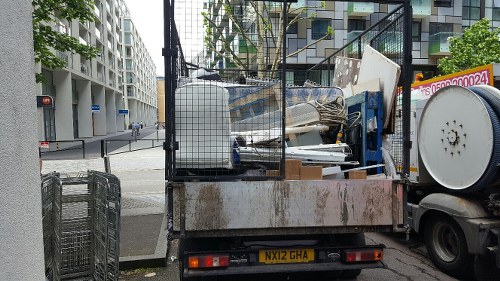
There are many reasons customers book a loft clearance. Some are planned well in advance, while others are urgent and tied to a deadline. A common reason is moving house. When buyers or sellers need the loft emptied before completion or before viewings, a quick and careful clearance helps the property feel more spacious and easier to present. Another frequent reason is renovation. If you are insulating, rewiring, repairing the roof, or improving storage, old items in the loft can slow the work down.
Inherited properties often need loft contents cleared as part of an estate process. In those situations, it is common to find a mix of sentimental items, old storage boxes, and waste that needs separating. A local waste removal team can work methodically, respecting the property and allowing time for items to be checked before disposal. That is particularly helpful when families want to keep certain belongings but remove everything else safely.
Businesses also use loft clearance and attic waste removal when archive storage, seasonal stock, display materials, or old equipment has accumulated in a roof space. Small shops, offices, guest houses, and converted premises often have limited storage elsewhere, so lofts become a holding area for years. Eventually the space fills up, becomes inaccessible, or creates safety issues. A professional clearance helps restore order and can free up space for better use.
How the Service Works
The process is usually straightforward, but it is built around your property and the type of waste involved. The first step is often a discussion about access, volume, and the nature of the items in the loft. That helps the team understand whether the clearance involves mostly household clutter, heavier items, fragile materials, or mixed waste. It also helps identify practical issues such as parking, stair access, loft hatch size, and whether items need to be brought through narrow hallways or communal entrances.
On arrival, the team will assess the loft space and agree the best approach for removal. In many cases, items are carried down by hand to protect the property and avoid damage. If items are very bulky or awkward, they may be broken down carefully where safe to do so. The waste is then loaded for transport and sorted afterward for disposal or recycling where appropriate.
The final step is usually a simple tidy-up of the cleared area, removing loose debris where it is part of the agreed service. That leaves the loft ready for whatever comes next, whether that is insulation, storage, repairs, or a full property handover. For many local residents, this is the most satisfying part: seeing a space that was once full of clutter become open and usable again.
Typical steps in a loft clearance
- Initial discussion about access, waste type, and volume.
- Arrival at the property and assessment of the loft space.
- Safe removal of items from the loft to ground level.
- Loading and sorting for disposal, recycling, or responsible handling.
- Basic tidy-up of the area if included in the service agreement.
What Is Included in a Loft Clearance

Every property is different, but customers often want to know exactly what they are paying for. A good loft clearance service normally includes the labour, lifting, carrying, loading, and transport of the unwanted items. The team may also help separate general waste from recyclable materials where possible, and they will typically manage the removal in a way that reduces disruption to the rest of the property.
Depending on the arrangement, the service can also include the handling of awkward items such as old suitcases, dismantled furniture, boxes of mixed contents, broken electricals, and bagged rubbish. In some properties, lofts contain insulation materials, timber offcuts, or renovation waste. These should be discussed in advance so the team can prepare the right vehicle, equipment, and disposal plan.
Important: not every loft clearance is the same. Some customers want the entire loft emptied, while others only need selected items removed. Some need help identifying recyclable items, while others want a rapid clear-out before builders arrive. A local team can usually adapt to this, which is one reason people prefer a tailored waste removal service instead of a one-size-fits-all approach.
Common items removed from lofts
- Old boxes, bags, and general household clutter
- Broken furniture and flat-pack parts
- Books, magazines, and paperwork
- Seasonal decorations and stored household goods
- Old toys, fabrics, and bric-a-brac
- Renovation leftovers and mixed rubbish
- Occasional commercial storage waste
Why a Local Waste Removal Team Matters
Choosing a local team for loft clearance brings real practical benefits. Local crews know the kinds of housing and commercial properties common in the area, from older terraces with tight loft ladders to modern flats with shared access and limited parking. That experience matters because it helps reduce delays and avoid unnecessary disruption on the day. A team that regularly works in local streets, estates, and business parks is also more likely to understand how to plan around access restrictions and loading issues.
Local knowledge is especially useful when parking is tight or access is limited by one-way roads, permit zones, school runs, or busy high street traffic. If waste has to be carried a long distance from the property to the vehicle, the crew can plan accordingly. For customers, that means less guesswork and fewer surprises. It also means the job is more likely to run smoothly from start to finish.
There is also a trust factor. When you choose a local waste removal company, you are working with people who understand the area, the pace of local life, and the types of properties they serve every day. That makes it easier to book a convenient slot, explain your needs clearly, and get practical advice on how to prepare the loft before clearance day.
Property Types and Access Challenges We Commonly See
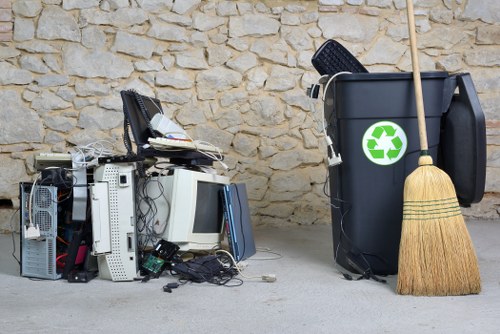
Loft clearance work often takes place in properties with access challenges that are easy to underestimate. Terraced homes may have narrow staircases and limited room for turning bulky items. Semi-detached houses can have long driveways or side access that needs to be used carefully. Flats and maisonettes may require carrying waste through communal entrances, stairwells, or shared outdoor spaces. Converted buildings may have restricted loft access or older structural features that need a cautious approach.
Commercial properties also present their own challenges. Offices may have archive rooms in roof spaces, while shops and hospitality premises sometimes store seasonal stock or old equipment above the main business area. In these settings, waste removal often needs to be scheduled around trading hours, deliveries, staff access, or customer traffic. A local team can plan the clearance so that the business remains as undisturbed as possible.
Another common issue is the loft itself. Some lofts are cramped, dusty, poorly lit, or partially boarded. Others have low beams, limited flooring, or fragile insulation. In those cases, safety matters more than speed. Professional waste removal is designed to move carefully, avoid unnecessary disturbance, and keep the property protected while the clear-out takes place.
Examples of local property situations
- Victorian and older terraced homes with tight loft access
- Modern houses with partially boarded storage areas
- Flats with shared stairwells and limited loading space
- Converted homes where the loft has been used for mixed storage
- Small offices and commercial units storing archive or surplus items
Preparation Checklist Before Your Loft Clearance
Preparing a loft for clearance does not have to be complicated, but a little planning can make the day much smoother. The more the team knows before they arrive, the better they can organise the work and avoid delays. If you have items you want to keep, it is helpful to separate them in advance so they are not accidentally moved with the waste.
If the loft contains fragile, sentimental, or important materials, let the team know before the clearance begins. That gives everyone a chance to identify what should remain in place. In some homes, there may be stored documents, photographs, or boxed belongings that need to be checked before removal. Clear communication at the start prevents confusion and supports a more efficient service.
It also helps to clear a path to the loft hatch and make space near the exit route if possible. If parking is likely to be an issue, think about where a vehicle can stop safely and whether there are any time restrictions outside the property. For managed buildings, confirming access arrangements beforehand can prevent delays on the day.
Simple preparation checklist
- Remove or label anything you want to keep
- Check access to the loft hatch and hallway
- Confirm any parking or loading restrictions
- Let the team know about fragile, heavy, or unusual items
- Make sure pets and children are kept away from the work area
- Identify any items that may need special handling
Pricing Factors for Loft Clearance
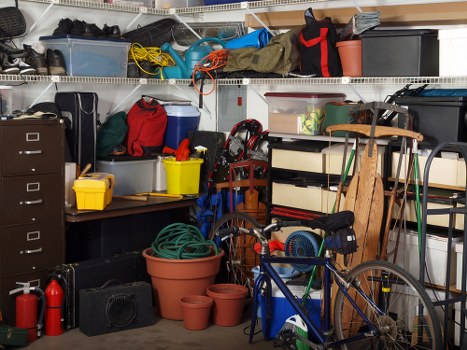
Customers often want to know what affects the cost of a loft clearance. While exact pricing depends on the details of the job, several common factors usually influence the final quote. The first is the amount of waste. A small amount of clutter stored in a compact loft will naturally take less time and space to remove than a fully packed attic filled with mixed items.
The second factor is access. If the loft is difficult to reach, has a narrow hatch, or requires items to be carried a long way to the vehicle, more labour may be involved. Parking and loading conditions can also affect the time needed. Properties with straightforward access may be simpler to clear than homes or commercial buildings where vehicles cannot park close by.
Other factors include the type of waste, whether items need dismantling, and whether the clearance involves mixed materials that require sorting. Fragile or awkward items may take more care, and some loads may have disposal requirements that differ from ordinary household rubbish. The best approach is to provide a clear description of the job so you can receive an accurate quote based on your specific needs.
What can influence your quote
- Volume of waste in the loft
- Ease of access and carrying distance
- Parking and loading conditions
- Type of items to be removed
- Whether dismantling is needed
- Any special handling requirements
If you are comparing options, focus on clarity rather than the lowest headline figure. A reliable local company will explain what is included, ask the right questions, and provide a quote that reflects the actual work involved. That makes it easier to budget properly and avoid unexpected costs later on.
Waste Types and Responsible Handling
Responsible disposal is a major part of any loft clearance. Not everything found in a loft should be treated in the same way. Some items can be reused, some can be recycled, and some need to be disposed of carefully depending on their condition and material. A well-run waste removal service sorts items after collection so that usable space in the vehicle is not wasted and recoverable materials are handled appropriately.
Typical loft contents may include cardboard, books, textiles, wood, metal, and general household waste. In some cases, there may also be electrical items or components from old storage equipment. These need to be dealt with in line with current waste handling requirements. For customers, this means peace of mind that the clearance is not just fast, but also managed properly after the waste leaves your property.
If you are not sure whether something can go with the rest of the load, ask before the team arrives. That is particularly important for items such as paint, chemicals, batteries, fluorescent tubes, or anything unusual that may need separate handling. Honest advice at the start helps avoid delays and ensures the load is prepared correctly.
Why Customers Choose Loft Clearance Instead of Doing It Alone
Some people consider clearing a loft themselves, especially if they only want to remove a few bags or boxes. But once a loft is packed with bulky items, the job can become far more difficult than expected. Carrying heavy or dusty items down narrow ladders and stairs can be tiring, awkward, and potentially unsafe. It may also take several trips, more time, and more vehicle space than most people have available.
Professional loft clearance reduces the physical strain and makes the process more manageable. It is particularly useful when the contents are mixed, the space is awkward, or the job needs to be completed within a limited time window. For landlords, families, and business owners, that convenience can be a deciding factor. A team that does this work regularly can also move more efficiently and help keep the property protected throughout the process.
There is also the benefit of simplicity. Instead of sorting vehicles, loading items, and figuring out disposal routes yourself, you can hand the job over to a team that handles waste removal from start to finish. That can be especially valuable when you are balancing a move, renovation, or business deadline.
Benefits of hiring a local team
- Less physical effort and fewer risks for you
- Faster completion than doing multiple trips yourself
- Better handling of awkward loft access
- Waste sorted and removed in one visit where possible
- Practical support from people who know local property types
Areas Covered and Local Service Relevance
A local loft clearance service is especially useful when you need someone who understands the surrounding neighbourhoods, nearby residential streets, and common access patterns. Many customers ask whether the team covers surrounding suburbs, neighbouring villages, nearby estates, or mixed residential and commercial zones. The most helpful answer is usually that the service is designed to be flexible across the local area, including homes, flats, small businesses, offices, and commercial units.
Coverage can often include central areas, surrounding residential districts, and properties on the edge of town where access may be more straightforward or more rural. If you are unsure whether your area is included, it is best to ask when requesting a quote. A local company will usually be able to tell you quickly whether the job is suitable and how soon it can be arranged.
Because every district has its own parking rules, road layouts, and building styles, local experience helps the service run smoothly. That is one of the main reasons customers prefer a nearby provider for waste removal and loft clearance work: the service feels practical, responsive, and tailored to real property conditions, not just a generic job list.
Frequently Asked Questions
How long does a loft clearance usually take?
The time needed depends on the size of the loft, the volume of waste, and how easy it is to access. A small, straightforward clearance may be completed relatively quickly, while a larger or more awkward job can take longer. If items need separating or dismantling, that can also add time.
Can you clear only part of the loft?
Yes, in many cases only selected items are removed. If you want to keep some belongings in storage and clear the rest, that can usually be arranged. It is helpful to label items or point them out before the work starts.
Do I need to empty the loft myself first?
Not necessarily. Many customers use a loft clearance service specifically because they do not want to handle the heavy lifting themselves. If you can separate keep items from waste, that helps, but the team can usually take care of the removal work.
What if the loft is hard to access?
Awkward access is common and can usually be managed with the right planning. Narrow loft hatches, steep stairs, and limited parking are all factors a local waste removal team should be used to handling. Share the details in advance so the job can be prepared properly.
Can commercial lofts or storage areas be cleared too?
Yes. Offices, shops, hospitality properties, and other commercial premises sometimes use loft spaces for storage. These areas can usually be cleared in a way that fits around business operations and access needs.
What should I do if I find items I am unsure about?
Set them aside or mention them when you request the service. If an item might need special handling, it is better to ask first rather than leave it mixed in with general waste.
Booking Your Loft Clearance
If your loft is full and you want the space cleared without the strain, now is a good time to take the next step. A local waste removal team can help you understand what is involved, discuss access, and arrange a suitable time for the job. Whether you are a homeowner, landlord, tenant, property manager, or business owner, the goal is the same: make the clearance simple, safe, and efficient.
When you are ready, request a free quote, ask about service availability, and explain what is stored in the loft. The more details you provide, the easier it is to plan the work accurately. If your property has limited access or you need the clearance to fit around other trades or a move date, mention that too.
Book your service now if you want to free up storage space, remove unwanted items, and restore order to your property. With the right local team, loft clearance in waste removal becomes a practical solution rather than a stressful chore.