Waste Recycling in Waste Removal: Practical, Responsible Service for Homes and Businesses
When people look for Waste Recycling in Waste Removal, they usually want more than a quick clearance. They want a local team that can remove unwanted items responsibly, separate recyclable materials properly, and make sure usable waste is handled in a way that reduces landfill wherever possible. For households, landlords, shop owners, offices, builders, and facilities managers, the difference between a basic collection and a recycling-focused service can be significant. It affects convenience, environmental impact, and often the overall value of the job.
Local waste removal is not just about taking things away. It is about understanding what can be reused, what can be recycled, and what must be disposed of safely. That matters whether you are clearing a loft in a terraced house, emptying a garage in a suburban street, removing shopfit waste from a high street unit, or dealing with bulky waste from a small commercial property. A well-organised recycling approach helps keep the process efficient and makes the service more practical for real customers.
In busy local areas, access can be tight, parking can be limited, and collections often need to be done with care. A team that knows how to work around narrow driveways, shared access routes, permit restrictions, and time-sensitive schedules can make the whole experience far less stressful. That local knowledge matters because it helps collections run smoothly and supports better sorting of materials before they leave the site.
Why Waste Recycling Matters in Waste Removal
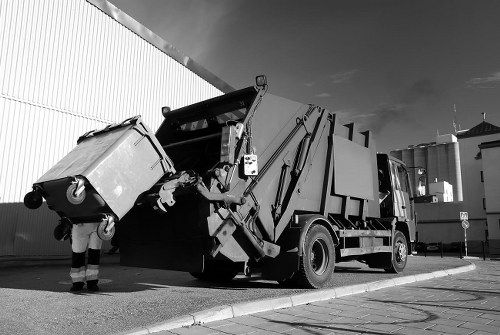
Modern waste removal should not be treated as a simple “load and go” task. A recycling-first approach helps keep useful materials in circulation, reduces unnecessary disposal, and supports better resource management. For many customers, this also provides peace of mind: they know the waste from their property is being handled with care rather than being mixed together without consideration.
Recycling in waste removal is especially important because many common items contain recoverable materials. Wood, metal, cardboard, plastics, green waste, and some electrical items may all be suitable for different recovery streams. Sorting these materials correctly can reduce the amount that ends up in landfill and can make the overall service more responsible.
Local customers often benefit from a team that can identify the right disposal route on the spot. For example, a mixed household clearance may include furniture, books, white goods, broken toys, and general rubbish. A commercial clearance may involve packaging, shelving, IT peripherals, and office furniture. When these are processed properly, recyclable items can be separated efficiently before disposal.
How recycling improves the overall service
There are several practical advantages to a recycling-aware waste collection:
- Less material sent to landfill where recycling is possible.
- More organised handling of mixed waste from homes and businesses.
- Cleaner collections for properties with limited storage space.
- Better support for customers clearing out multiple item types at once.
- A more responsible service for environmentally conscious households and companies.
For local people, this is not an abstract benefit. It can mean a tidier property faster, fewer repeat trips, and a more straightforward way to deal with accumulated waste. Whether you are preparing a property for sale, managing a renovation, or just reclaiming space, recycling and removal work best when they are planned together.
What We Handle in a Recycling-Focused Waste Removal Service
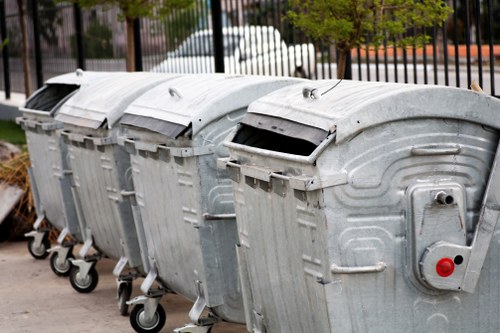
A practical waste removal service needs to deal with a wide range of materials. The exact mix depends on the property, but many jobs include recyclable and non-recyclable items side by side. That is why a local collection team should be ready to assess the load properly and separate materials where possible.
Typical items that may be collected include household junk, old furniture, appliances, garden cuttings, renovation debris, packaging, and general clutter. Many customers also need help with awkward or bulky items that are difficult to move without assistance. A recycling-focused service can manage these loads while keeping different waste streams in mind.
Where suitable, recyclable materials are usually separated from residual waste. This may include metals, clean wood, cardboard, certain plastics, and green waste. Some items such as fridges, TVs, batteries, and electrical goods require special handling, so it is important that the team understands the correct route for these materials.
Common customer situations
- House clearances after downsizing, moving, or preparing a home for refurbishment.
- Garage and shed clearances where mixed waste, old tools, and broken items have built up over time.
- Garden waste removal including branches, hedge cuttings, soil bags, and old plant material.
- Office and retail clearances involving furniture, packaging, shelving, and non-sensitive fittings.
- Builders’ waste collection from minor renovation work, strip-outs, and property upgrades.
Each of these jobs benefits from a clear plan. For example, a shop refit in a busy parade may need quick loading and careful timing, while a loft clearance in a residential street may require extra attention to stairways and parking. By thinking about recycling from the outset, the service can be completed more efficiently and with less waste overall.
Special care for awkward materials
Some waste streams need extra attention. Electrical items, fluorescent tubes, batteries, paints, and certain renovation materials are not handled in the same way as ordinary rubbish. A responsible local waste removal service will separate these where necessary and direct them to the proper collection route. That approach helps customers avoid unnecessary mistakes and keeps the clearance safer.
How the Service Works for Local Customers
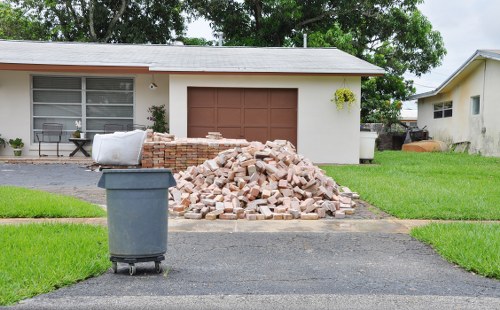
Most customers want the process to feel simple, and that is especially true when they are dealing with a full property or a time-sensitive clearance. A well-run waste collection service should be straightforward from the first enquiry to the final sweep-up. For people looking into Waste Recycling in Waste Removal, the key is knowing what happens at each stage.
Usually, the process begins with a description of the items, access details, and the type of property. A local team can then plan the right vehicle, number of staff, and approximate loading approach. This is particularly useful in areas with narrow roads, permit-only parking, flats above shops, or shared driveways where access has to be managed carefully.
On arrival, the team can assess the waste, confirm what is included, and begin loading. Wherever possible, recyclable materials are separated during or after the collection so they can be directed to the appropriate processing route. The property is left as tidy as reasonably possible once the waste has been removed.
Typical service steps
- Initial enquiry with a description of the waste and property access.
- Assessment of likely volume, item types, and any recycling considerations.
- Collection arranged at a suitable time for the customer.
- Loading, sorting, and removal of the waste from the property.
- Responsible handling of recyclable and residual materials after collection.
This approach is helpful for both one-off clearances and recurring commercial collections. Businesses often need flexibility around opening hours, deliveries, and customer traffic, while homeowners may need a same-day or next-day solution when clutter becomes unmanageable. A local team that understands those needs can make a major difference.
Why local access knowledge matters
Access and parking can shape the whole job. In many neighbourhoods, there may be limited roadside space, controlled parking zones, shared courtyards, or long walking distances from the vehicle to the property entrance. Local crews who work these streets regularly are often better prepared for those challenges, which helps avoid delays and keeps the service efficient.
What Is Included in the Service
Customers often want to know exactly what they are getting when they book waste collection. A recycling-focused waste removal service is designed to cover the practical work that most households and businesses need, while keeping the process clear and manageable. The exact scope can vary by job, but there are common features many customers appreciate.
In general, the service may include lifting and carrying items from accessible parts of the property, loading them safely, sorting recyclable materials, and transporting the waste away. For many clearances, this means the customer does not need to move heavy items to the curb or do the sorting alone. That can be a real help in homes with stairs, busy commercial premises, or properties with limited storage space.
It is also important for customers to understand what is and is not included before booking. Some materials may require special arrangements, and some jobs may need additional time depending on volume or access. A reputable local company will explain this clearly so there are no surprises on the day.
Common inclusions
- Collection of mixed household, garden, office, or light builders’ waste.
- Loading from accessible areas within the property.
- Separation of recyclable items where appropriate.
- Transport and responsible disposal or recovery of the waste.
- Basic tidy-up of the cleared area after removal.
Items that may need special attention
- Hazardous or restricted materials.
- Large appliances or electrical goods.
- Heavy construction debris in significant quantities.
- Items containing liquids, chemicals, or sharp components.
If you are unsure whether a certain item can be collected, it is best to mention it when requesting a quote. That helps the team plan the job properly and ensures the right recycling or disposal route is chosen from the start.
Contact us today if you want a practical collection arranged around your schedule. Whether you need a one-off clearance or a repeat service, a local team can help you manage the waste without unnecessary stress.
Pricing Factors for Waste Removal and Recycling
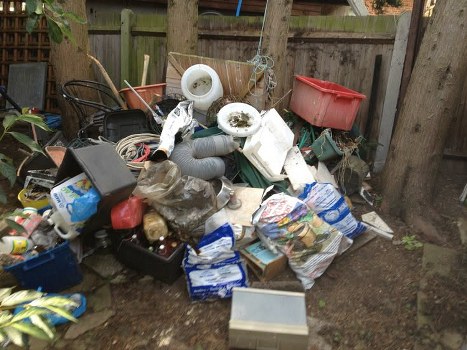
Customers often ask how waste removal is priced. Because every job is different, the cost usually depends on several practical factors rather than a fixed one-size-fits-all approach. That is especially true when recycling is part of the service, since the type of waste and how it needs to be processed can affect the work involved.
The main pricing factors commonly include the volume of waste, the type of items, the ease of access, labour required, and whether any materials need special handling. A straightforward garage clearance with easy access may be simpler than a fourth-floor flat clearance with no lift and restricted parking. Likewise, a mixed load containing recyclable and non-recyclable material may require more sorting than a single-stream garden waste job.
Local customers benefit from clear communication because it helps them understand what affects the quote. If you are preparing to request a price, giving a fairly detailed description is one of the best ways to get a realistic estimate. Mention the number of rooms, the kind of items involved, whether there are stairs, and whether vehicles can park close to the property.
Factors that can influence the quote
- Amount of waste to be removed.
- Type of waste, including recyclable and specialist items.
- Distance from the property to the vehicle.
- Parking access and loading restrictions.
- Timing requirements for residential or commercial collections.
For businesses, regular collection schedules may also be available depending on the site and waste stream. This can be useful for shops, offices, cafes, trades, and property managers who need ongoing support with packaging, fit-out waste, or general clearance waste. A local team can often adapt more easily to these recurring needs.
How to prepare for a quote
It helps to request a free quote with as much useful detail as possible. Photos, item lists, and access notes can all improve accuracy. If you have mixed waste, bulky furniture, or materials that might require special handling, say so early. That allows the service provider to plan efficiently and helps you make a decision with confidence.
Why Choose a Local Waste Removal Company
Choosing a local provider for waste recycling and removal has clear advantages. A nearby team is often better placed to respond quickly, understands local street layouts and access constraints, and can offer a more personal service for homeowners and businesses alike. That local understanding can be especially valuable in areas with older housing stock, converted buildings, estates with shared access, and busy commercial streets.
Local companies also tend to understand the realities of different property types. For example, a Victorian terrace may have narrow hallways and tight stairs; a flat above a shop may need quiet, discreet collection; a small office may need waste cleared before opening hours; and a building site may have mixed rubble and packaging that needs careful separation. These are not unusual issues for a local team — they are part of everyday service planning.
There is also a practical trust factor. Customers want a company that communicates clearly, arrives prepared, and handles waste responsibly. When recycling is built into the service, you are more likely to get a methodical collection that considers the best route for each material rather than simply mixing everything together.
Local service advantages
- Quicker response times for urgent or time-sensitive jobs.
- Better handling of local parking and access challenges.
- More suitable support for nearby residential and commercial property types.
- Useful knowledge of common waste patterns in the area.
- Flexible collections for one-off or repeat needs.
For customers who want a service that feels organised and reliable, local experience makes a noticeable difference. If you need help clearing a property in the town centre, on a residential estate, near industrial units, or from a village location with rural access, a team familiar with the area can plan more effectively and reduce hassle on the day.
Book your service now if you are ready to clear space and want the waste handled in a responsible way.
Areas Covered and Typical Property Types
A strong local waste removal service should be able to help across a wide mix of neighbourhoods and property types. That may include central streets, surrounding residential districts, business parks, retail units, industrial estates, suburban roads, and rural properties in nearby areas. Because every locality has different access patterns, a local team can often adjust more easily to the conditions on site.
Customers often need help from properties such as family homes, apartments, rented flats, HMOs, bungalows, converted houses, offices, shops, cafes, workshops, storage units, and small commercial premises. Each of these settings can produce different waste streams and different logistical challenges. Recycling-aware collection is especially useful when waste has been built up over time and is made up of mixed materials.
Nearby areas can also matter because some locations have a strong mix of residential and commercial demand. For example, a neighbourhood with terraced streets and high street units may need a service that is equally comfortable with domestic clearances and business waste removal. A provider who works across surrounding areas is often better positioned to offer timely collections without excessive delays.
Examples of locations that often need flexible collections
- Town centre flats and apartments.
- Suburban family homes with driveways or limited on-street parking.
- Older terraces with narrow access points.
- Commercial units with loading restrictions.
- Rural or semi-rural properties where access planning matters.
Whether your property is easy to reach or awkward to access, the goal is the same: remove the waste efficiently and handle recyclable materials properly. That combination is what makes the service useful for real local customers.
Preparation Checklist Before Your Collection
A little preparation can help your waste removal appointment run smoothly. You do not need to do the heavy lifting yourself, but a few simple steps can make collection faster and may help the team assess the job more accurately when they arrive. This is particularly helpful for mixed loads where recycling and disposal need to be separated carefully.
If you are arranging clearance from a home, office, shop, or rental property, it is helpful to think about what is being removed, where the items are located, and whether there are any access limitations. Even a small amount of planning can make the day less stressful, especially when large or awkward items are involved.
Customers who prepare well often find the service feels more efficient. It can also help avoid delays caused by surprise items, blocked entrances, or unclear parking arrangements. That matters in busy local streets where collections need to be carried out promptly.
Simple checklist
- Group items together where practical.
- Separate anything you want to keep from things to be removed.
- Make sure pathways, stairways, and entrances are accessible.
- Note any parking restrictions or loading limits.
- Point out special items such as electrical goods or heavy materials.
- Tell the team if the waste is in a loft, cellar, shed, garden, or upper floor.
If you are a business customer, it can also help to plan the collection around opening hours, deliveries, and staff access. For homes, think about pets, children, and whether neighbours may be affected by parking or loading. These small details help the service run professionally from start to finish.
When recycling makes preparation easier
Recycling does not have to make the job more complicated. In fact, for many customers it makes the process clearer because recyclable items can be identified early. Cardboard can be grouped together, metal items can be set aside, and garden waste can be collected separately when practical. That approach supports a cleaner, more organised clearance.
Frequently Asked Questions
Below are some common questions local customers ask when they are considering waste recycling and removal services. If your situation is not covered here, it is usually best to request a quote and explain the details of your job.
Do I need to sort everything before collection?
Not always. Many customers book waste removal because they want help with mixed loads. A responsible team can separate recyclable materials from residual waste where appropriate. However, if items are already grouped by type, that can make the collection smoother.
Can you collect waste from inside the property?
In many cases, yes, provided the items are accessible and the job details support it. This can be especially helpful for lofts, garages, office rooms, and flats. Stairways, tight entrances, and parking restrictions may affect how the collection is carried out.
What happens to recyclable items?
Recyclable materials are separated where possible and directed to the appropriate recovery route. The exact handling depends on the material type, condition, and local processing options. Items such as metal, cardboard, certain plastics, wood, and green waste are commonly sorted when suitable.
Do you handle commercial waste as well as household waste?
Yes, many local teams support both residential and commercial customers. Offices, shops, landlords, trades, and facilities managers often need flexible clearance options for different kinds of waste. This can include regular or one-off collections depending on the site.
What if I have bulky or awkward items?
Bulky items are a common part of waste removal. Sofas, wardrobes, beds, desks, shelving, and broken appliances are often collected as part of larger clearances. If the item is unusually heavy, contains hazardous materials, or needs specialist handling, mention it when arranging the service.
Can I book a collection quickly?
Availability depends on the workload and the type of job, but local services are often able to respond more quickly than distant providers. If you need urgent clearance, explain the time pressure clearly when you enquire.
Choosing Waste Recycling in Waste Removal for Long-Term Practical Value
A recycling-focused approach is not only better for the environment; it is often better for the customer too. It helps keep the collection organised, supports more responsible handling of mixed waste, and makes the service more useful when you are dealing with clutter, renovation debris, or business clearances. That practical value is why many local customers now look for waste services that think about recycling from the outset.
For homeowners, this can mean a clearer house, a tidier garden, or a more manageable move. For businesses, it can support a cleaner workspace, easier refits, and better handling of packaging or office waste. For landlords and agents, it can help prepare a property for new occupants without unnecessary delay. In all cases, the right service makes waste removal less of a burden.
If you are comparing options, look for a provider that explains the process clearly, understands access issues, and can handle a range of recyclable and residual materials. That combination is what turns a simple collection into a service that genuinely fits the needs of local customers.
Request a free quote if you are ready to clear unwanted waste and want it handled responsibly. Whether it is a home, office, shop, or building project, the right local team can help you move forward with less hassle and better recycling outcomes.
Waste recycling in waste removal works best when the service is organised, local, and tailored to the property in front of you.