Waste Removal in your area
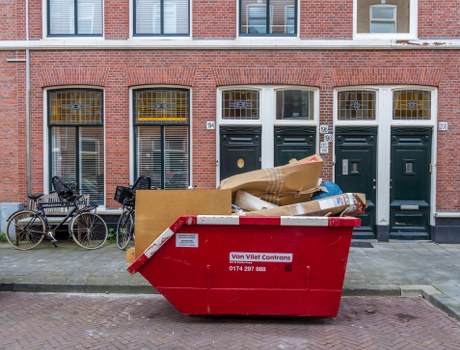
Waste removal is a practical service for homes and businesses that need unwanted items, mixed rubbish or bulky materials taken away in a straightforward way. In your area, our waste removal service is built around collecting loadable waste and directing it into the right disposal or recycling route, rather than leaving you to sort transport and tipping yourself. That makes it easier to deal with regular clear-outs, one-off accumulations and jobs where items are too awkward for ordinary council collections.
We handle a broad range of waste types, including general rubbish, bulky household items and many forms of light commercial refuse, with a service shaped to the actual load rather than a fixed one-size-fits-all approach. If you are comparing options, the most useful starting point is to identify what needs removing, how much there is and whether any items need separating for recycling. You can use pricing and quotes to request a quotation when you are ready.
For customers who want a simple route through the process, the key point is that a waste collection can be arranged around the material itself, the access available and the disposal route required. Clear description of the load helps the work to be matched properly, especially where there are mixed items, awkward furniture or heavier waste that needs special handling. If you need a broader overview of what we take, the waste collection page gives a useful starting point.
General waste collection for everyday clear-outs
General waste collection suits households, landlords and businesses that need accumulated rubbish removed without a drawn-out arrangement. That might include bagged waste, broken household goods, packaging, old fixtures or mixed items gathered after a room tidy, tenancy change or stockroom reset. The benefit of a flexible waste removal service is that it can deal with more than a single item category, while still keeping the load organised enough for proper disposal.
In practice, the work often begins with identifying what should stay, what should go and whether anything can be reused or recycled separately. This is particularly useful where a clear-out contains both loose rubbish and larger pieces that need lifting as a team. A sensible quotation is usually based on the volume of material, the mix of items and access conditions. For larger clearances, our bulk waste collection option is relevant when there is a substantial amount to move in one visit.
When planning a request, it helps to note any items that are particularly heavy, sharp or difficult to move through the property. A short written description is often enough, though photographs can make it easier to judge the size of the load. It is worth separating anything you definitely want retained before collection day, because that avoids confusion and keeps the removal focused on the correct items. If the job is mainly domestic, the house clearance page may also be useful.
Bulky items, furniture and appliance removal
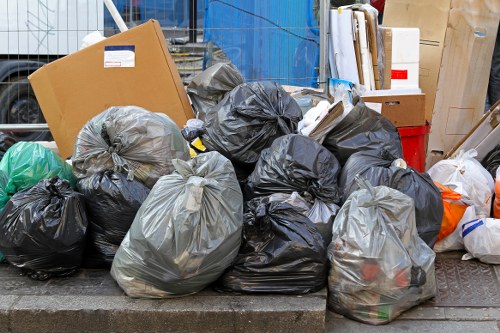
Bulky items need more planning than bagged waste because the shapes, weights and materials can affect both lifting and disposal. Sofas, wardrobes, beds, mattresses, white goods and other large household pieces often need careful movement through hallways, stairwells and doorways. Our waste removal service is suited to that kind of work when the aim is to clear one item, several matching items or a full room of furniture that no longer fits the space.
Where possible, we look at the item type first so the collection can be matched to the right route. For example, some furniture can be broken down, some white goods require separate handling, and mattresses or fridges may need specific disposal arrangements. Relevant pages such as furniture removal and collection, sofa removal and collection and fridge disposal cover these categories in more detail and help customers choose the best fit.
If you are unsure how to describe a mixed load, list the main large items first and then mention any smaller waste around them. That gives a clearer picture of the job and helps avoid underestimating the vehicle space needed. A few words about access are also helpful, especially for upstairs flats, narrow entrances or properties where furniture has to be carried a long way. For mattress-specific work, see mattress removal and collection or the related large item collection page.
Builders’ waste and renovation debris
Building work produces waste that is often heavier, dustier and more mixed than ordinary household rubbish. Offcuts, packaging, plasterboard, broken fittings, tiles, timber and mixed renovation debris all need sorting into the most suitable disposal route. Our waste removal service can support homeowners, landlords and tradespeople who need rubble and site waste cleared once a room, extension or repair job has produced more material than can be handled casually.
Clearance for renovation projects works best when the waste is gathered into manageable piles and any reusable materials are set aside before collection. That approach saves time on site and gives a more accurate picture of what needs moving. If the waste is mainly from improvement work, the builders waste clearance page is the most direct match, while waste disposal is useful for understanding the broader handling of collected material.
Some building loads contain items that should not be mixed with standard rubbish, so it is important to mention anything that looks unusual or may need separate treatment. Mixed renovation waste is best assessed as a whole rather than item by item if the main aim is to clear the area efficiently. If the job also includes leftover furniture or office fittings, an additional page such as property clearance may be more appropriate than a narrower specialist page.
Garden waste and outdoor clearance
Garden waste removal covers the materials that build up during routine maintenance or a larger outdoor tidy. Branches, clippings, soil, turf, hedge trimmings, broken planters and general outdoor debris all take time to bag, load and dispose of properly. A professional collection is useful when the volume is too much for a normal bin system or when the material includes a mixture of green waste and garden-related rubbish.
Outdoor clearances often benefit from separating organic material from non-organic waste before the collection takes place. That helps the load move more cleanly through recycling or disposal routes and can simplify the quotation stage. If your job is mainly outside, garden waste clearance is the best page to review, while garden clearance is useful where the task involves wider tidying, not only cuttings and branches.
It is also worth noting whether the waste is already bagged, left in piles or spread across a larger area, because that affects how long the loading stage may take. For heavier outdoor jobs, soil and broken hard landscaping materials may change the handling requirements. Keep a short note of any access issues such as side gates, uneven paths or low branches, since those details help shape a realistic quotation. If you need a related household clear-out as well, the junk clearance page can sit alongside the garden work.
House, flat and whole-property clearance

Whole-property work is usually the right choice when the waste is spread through several rooms, storage areas or outbuildings and needs to be removed in one planned visit. House clearance, flat clearance and property clearance all sit within that wider service area, but each can suit different layouts and volumes. The important point is that waste removal can be scaled from a single room through to a fuller clear-out without forcing the customer to manage transport or disposal separately.
These jobs often involve mixed contents rather than one simple waste type, so it helps to think about what is being removed: furniture, bagged rubbish, personal effects, loft contents or awkward items that have been left in storage. Related pages such as flat clearance, home clearance and office clearance offer more focused routes where the type of property is the main deciding factor. Each one gives a clearer starting point for the right style of collection.
If you are preparing a quotation request for a larger clearance, a simple inventory is more helpful than a long explanation. The main things to note are room count, large items, stairs or lift access, and whether the work includes only waste or also reusable belongings that need careful handling. Where the load is connected to an estate, the probate clearance and probate house clearance pages may be relevant, especially when sensitivity and sorting matter.
Sorting, recycling and disposal routes
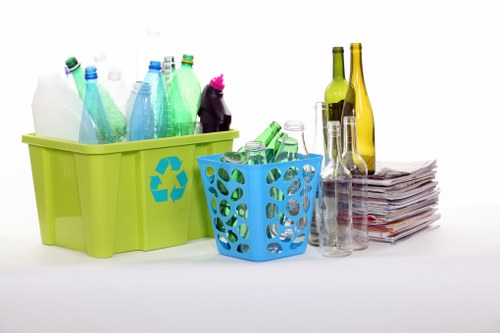
Not all waste should be handled in the same way, and one advantage of a structured collection service is that the load can be directed into the right route after it is picked up. Recycling options vary by material, so cardboard, metal, wood, plastics and electrical items may need to be separated rather than tipped together. That is one reason why clear descriptions of the waste matter: they help determine what can be recycled, what must be disposed of and what needs special treatment.
For customers who want a better understanding of what happens after collection, the recycling and waste related pages are useful, though the exact route depends on the material type. In some cases, a load contains a useful mix of recyclable and residual waste, so careful sorting can improve the outcome without adding unnecessary complexity. Where sustainability is a priority, our recycling and sustainability page provides a broader overview of how those decisions fit together.
The practical aim is simple: reduce avoidable waste where it is reasonable to do so, then remove the remainder in a lawful and orderly way. That might mean separating metal from general rubbish, identifying furniture with recyclable components or isolating white goods for a dedicated process. If the removal involves several item types, mention them together rather than sending multiple separate requests; that gives a more accurate estimate and avoids duplicated work. Order and clarity make the process smoother for both sides.
Commercial waste and workplace clearances
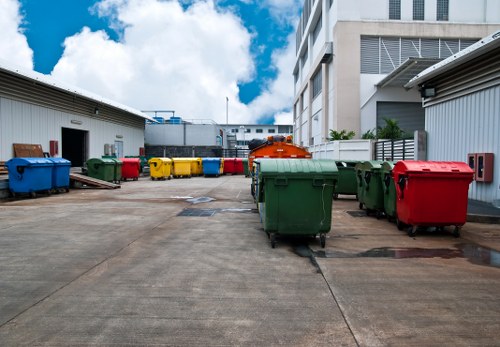
Commercial waste removal is suitable for offices, shops, storage units and other workplaces that need unwanted items cleared without interrupting the whole operation. It may involve desk furniture, shelving, packaging, archive material, redundant fittings or mixed rubbish gathered during a move, refit or end-of-lease reset. The service can be adapted to fit the size of the premises and the type of waste, which is especially useful when the load changes from one area to another.
For businesses, the most effective approach is often to separate the practical problem from the paperwork: note what needs to go, what must remain, and whether the waste includes sensitive or unusually bulky items. The relevant service pages, including commercial waste collection, commercial waste disposal and business waste removal, set out the main work categories and help customers choose a focused route for their enquiry.
Workplace waste can also include items from reception areas, stockrooms and shared spaces, so it is worth identifying whether the collection needs to happen outside business hours or around other site activity. That detail affects access, loading and the practical sequence of the job. If your premises contain mixed furniture and office contents, you may also find office clearances and office clearance relevant, depending on how much needs to be taken at once.
Specialist item removal for awkward or regulated loads
Certain items need more attention than ordinary rubbish because of their shape, material or disposal requirements. Mattresses, sofas, beds, white goods and older appliances may all require separate handling considerations, while hoarder or bereavement-related clearances may demand a more careful sorting process. In these cases, waste removal is less about speed and more about matching the item, access and disposal route properly.
The dedicated pages for these categories help customers avoid guessing. For example, bed disposal, sofa removal, mattress disposal and white goods recycle each point to a specific kind of load. That is useful when one or two difficult items are the main part of the job, rather than a mixed clearance from several rooms.
Some specialist removals also involve careful access through tight spaces or upper floors, so it helps to describe the route from the item to the vehicle. If you are booking a bigger job that includes sensitive sorting, the hoarder clearance and furniture disposal pages may be more appropriate than a general collection page. The aim is always the same: choose the route that reflects the actual work instead of forcing the job into the wrong category.
Requesting a quotation and arranging collection
A clear quotation begins with a clear description. The most useful details are the main item types, an estimate of quantity, where the waste is located and anything that could affect lifting or access. If possible, group similar items together before you enquire, because that makes it easier to judge the scale of the job. It is also sensible to mention whether the load is domestic, commercial or mixed, as that changes how the work is planned.
For straightforward requests, you can keep the note brief: what needs removing, where it is, and when you would like it handled. If you are comparing services, the pages for rubbish removal, rubbish clearance and waste clearance help define the overall service scope, while contact us is the most direct next step when you are ready to ask for a quotation.
If you would like a practical starting point, send the main details in one message and include anything unusual such as stairs, narrow access, oversized furniture or mixed materials. A concise description is usually enough to begin, and we can then match the waste removal to the right collection method. Please get in touch for a quotation when you are ready.
About your area
Without reliable local evidence supplied for this request, no area profile is included. The service pages above still give a clear overview of the waste removal work, from everyday rubbish and bulky items through to property, garden and commercial clearances. If you are planning a collection, the simplest next step is to identify the main items, note access details and request a quotation from the relevant service page. That keeps the enquiry focused on the actual job and helps match the waste to the right route. Please get in touch for a quotation when you are ready.
When comparing options, it can be helpful to think in terms of what kind of load you have rather than how you want it described. A few bags of rubbish, a sofa and mattress, a shed full of mixed items or a workplace clearance all need slightly different planning even though they sit under the wider waste removal umbrella. If the collection also includes recyclable material, mention that too, as it may affect how the load is organised and handled.
For larger jobs, try to gather the key facts before you enquire: the rooms or areas involved, any large or awkward items, whether the waste is already bagged, and whether parking or access is limited. Those details make it easier to prepare a realistic response and reduce unnecessary follow-up. If you are ready to move forward, the quotation pages are there to help you take the next step in a straightforward way.
Choosing the right waste removal option
Different jobs call for different waste removal routes, and choosing the right one is usually easier when you start with the material rather than the label. A single sofa is not the same as a house clearance, and a garden tidy is not the same as builders’ debris. Matching the service to the load helps keep the process efficient and avoids paying for a category that does not fit the work you actually need doing.
That is why the service pages are organised around common waste types and property situations. You can move from general rubbish to large item collection, from household goods to furniture clearance, or from renovation debris to waste disposal if you need a broader explanation of the route taken after collection. A single well-chosen page often gives enough clarity to prepare a quotation request confidently.
In many cases, the best decision comes down to three questions: what needs removing, how much of it there is, and whether anything requires separate treatment. If you can answer those clearly, the waste removal can usually be scoped without fuss. When you are ready to proceed, request a quotation and we can help with the next step.