House Clearances in Waste Removal
If you are looking for house clearances in Waste Removal, you may already know how quickly a property can become overwhelming. A family home, a rental flat, a probate property, or a house that has simply collected years of furniture and clutter can all need a careful, organised clearance. For local customers, the right team makes the process simpler, safer, and far less stressful. Whether you need a full house clearance, help with bulky items, or a sensitive clearance after a change in circumstances, a trusted local service can make a real difference.
House clearance is rarely just about moving items out of a property. It often involves sorting, lifting, carrying, loading, responsible disposal, and deciding what can be reused, donated, recycled, or removed as waste. In the Waste Removal area, properties can range from terraced houses and maisonettes to detached family homes, retirement flats, rental homes, and commercial premises with residential-style storage spaces. Each one comes with its own access, parking, and handling challenges, which is why experience and local knowledge matter.
This page is designed to help local residents, landlords, solicitors, executors, estate agents, and businesses understand what is involved, what can be included, and how to choose the right service. If you are planning a clearance and want a practical, friendly approach, contact us today to discuss your needs or request a free quote for your property.
What House Clearances Cover
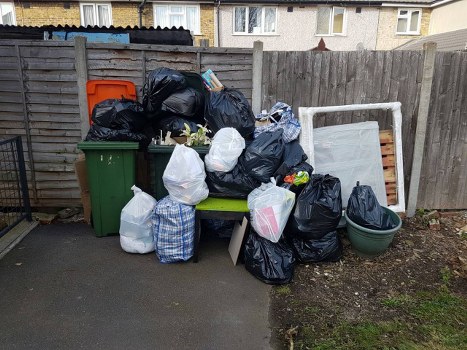
House clearance services can be tailored to suit almost any situation. Some customers need a single room emptied, while others need a whole property cleared from loft to garden shed. A reliable team will usually assess the work first, then remove the agreed items efficiently and responsibly. For many households, this is the easiest way to deal with a property that contains too much furniture, old appliances, paperwork, clothing, general rubbish, or mixed household contents.
In practical terms, a clearance can include heavy items such as wardrobes, sofas, beds, white goods, and tables, as well as smaller possessions, packaging, ornaments, books, and accumulated clutter. It can also include items stored in lofts, garages, cellars, outbuildings, sheds, and cupboards. Many local customers are surprised by how much has built up over time, especially in properties where storage has been used as overflow for years.
A good house clearance service should be flexible enough to handle different priorities. Some customers want a property left as empty as possible, ready for sale or handover. Others only need certain rooms cleared, with particular items kept aside. A respectful, organised approach helps ensure nothing important is removed by mistake and the property is treated with care.
Why Local House Clearance Matters in Waste Removal

Choosing a local team for Waste Removal house clearances brings practical benefits. Local crews are more likely to understand the types of streets, parking restrictions, access lanes, and property layouts that affect clearance work. Narrow roads, limited loading space, stair-only flats, basement entrances, and shared driveways can all affect how quickly and smoothly a job can be completed.
In many parts of the Waste Removal area, homes are situated on roads where large vehicles can be awkward to position, especially during busy times. A local team can plan around that more effectively, bringing the right number of workers and the right vehicle size for the property. That can help reduce disruption for neighbours, residents, and passing traffic.
Local knowledge also helps when working with a variety of property types. A Victorian terrace may have steep stairs and tight hallways; a modern flat might have lift restrictions or shared entrances; a family house may have garden access but little room at the front. The right clearance team should be able to adapt the service to the property rather than forcing the property to fit the service.
Useful for Residential and Commercial Customers
House clearances are often requested by homeowners, tenants, landlords, and executors, but they can also support local businesses with residential storage areas, staff accommodation, or mixed-use premises. Offices, small shops, and converted buildings may have furniture or waste that needs removing carefully and efficiently. A local waste removal team can deal with these jobs without turning them into a major disruption.
When People Book House Clearances
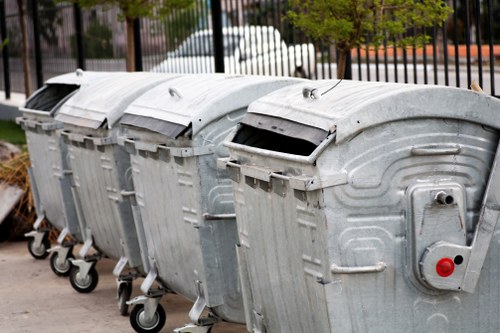
There are many real-life reasons why customers look for house clearance support. Some are planning a move and need to reduce the amount of furniture and waste before selling or renting a property. Others are dealing with a bereavement and need a respectful clearance of a home that contains personal belongings and mixed contents. Some are dealing with a property that has become too full to manage alone. Whatever the reason, the service should be practical, discreet, and organised.
Landlords often need clearances after tenants move out, especially where furniture, bin bags, damaged items, or unwanted belongings have been left behind. Estate agents and solicitors may also need a property cleared so that it can be photographed, marketed, cleaned, or prepared for handover. In these situations, a prompt response can save time and reduce delays in the wider property process.
House clearance is also common after long periods of accumulation. Hoarded rooms, overfilled garages, old sheds, and lofts can become difficult to use safely. Clearing these spaces can open up valuable storage again and make the property more manageable. For many families, the outcome is not just an emptier house but a more workable home.
Common reasons for booking a clearance
- Preparing a property for sale or letting
- Dealing with probate or an inherited home
- Clearing after tenants have moved out
- Removing unwanted furniture and general household items
- Emptying lofts, garages, basements, and sheds
- Making space for renovation or refurbishment
- Reducing clutter in a home that has become hard to manage
What Is Included in a House Clearance Service

A well-run house clearance service should be clear about what is included before any work begins. That usually means an initial discussion about the size of the property, the type of items to remove, the access available, and whether there are any special instructions. Once agreed, the team arrives prepared to do the lifting, loading, and disposal work efficiently.
Depending on the arrangement, the service may include removing furniture, white goods, electrical items, clothing, general household waste, soft furnishings, bagged rubbish, and mixed contents from rooms, cupboards, and storage areas. Some customers also ask for outdoor clearances, such as items from sheds, garages, patios, or front gardens. If there are items you want to keep, a clear marking system or room-by-room approach can help avoid confusion.
In many cases, the service may also involve separating items for reuse or recycling where appropriate. A responsible waste removal company will aim to divert as much as possible from landfill by sorting materials properly. This is especially important where a clearance contains a mixture of furniture, metal, wood, cardboard, textiles, electricals, and general waste. Proper handling supports both compliance and sustainability.
Examples of items often removed
- Wardrobes, chests of drawers, beds, mattresses, and sofas
- Dining tables, chairs, cupboards, shelving, and bookcases
- Fridges, freezers, washing machines, cookers, and other appliances
- Boxes, bags, paperwork, toys, books, and bric-a-brac
- Garden furniture, planters, sheds contents, and old tools
- Carpets, curtain rails, and loose household debris where agreed
How the Clearance Process Works

Many customers want to know what happens on the day and how much input they need to provide. The process should be straightforward. First, you discuss the property, the items, and any access details. Then, once the job is booked, the team arrives at the arranged time and begins removing the agreed contents. Good communication makes everything smoother, especially where certain rooms or items need to be left untouched.
For larger or more complex properties, the team may work room by room, which is often the best way to handle mixed contents without losing track of important items. If you are dealing with a probate clearance, a tenancy end, or a property that still contains valuables or personal paperwork, careful sorting is essential. A professional team should work methodically and respectfully throughout the process.
Once the items are removed, the property is left tidy and ready for the next stage, whether that is cleaning, decorating, inspection, or sale preparation. Some customers need a light sweep-through after the removal; others want the property left empty so they can arrange further work themselves. Either way, the aim is to make the next step easier.
Typical stages of the service
- Initial enquiry and property details
- Assessment of the clearance requirements
- Arrangement of a suitable date and time
- Removal of agreed items from the property
- Responsible sorting, loading, and disposal
- Final check to ensure the job is complete
Preparation Checklist for Customers
Preparing for a house clearance does not need to be complicated, but a little planning can save time and help avoid mistakes. If you are able to walk through the property before the team arrives, it is worth identifying anything that must stay, anything that should be moved to one side, and any items of sentimental or financial value. A simple label or note system can be very helpful.
If the property is occupied, make sure all residents know which rooms will be cleared and when. If the property is empty, confirm how access will work, especially where keys are held by a landlord, agent, executor, or family member. In locations around Waste Removal, parking and access can matter as much as the clearance itself, so it helps to think about where the vehicle will stop and whether there are stairs, gates, or restricted entry points.
It is also useful to consider whether there are any special items that need separate handling. This might include electrical goods, confidential paperwork, fragile belongings, or items that should be retained for family members. The more clearly these are identified in advance, the more smoothly the clearance can be completed.
Simple preparation tips
- Separate anything you want to keep before the team arrives
- Identify items that should not be removed
- Tell the team about access issues, parking limits, or stairs
- Gather keys or arrange access in advance
- Remove personal documents, medications, and valuables
- Let the team know if fragile or hazardous items may be present
Pricing Factors for House Clearances
Many customers want to understand what affects the cost of a clearance before requesting a quote. While exact prices vary from job to job, there are a number of common factors that influence how the work is assessed. These include the amount of waste or furniture to remove, the number of rooms involved, the level of labour required, and the ease of access to the property.
A small one-room clearance will naturally be different from a full house, loft, and garage clearance. Likewise, a ground-floor property with easy parking will usually be simpler to complete than a top-floor flat with stairs and restricted access. If items need dismantling, carried through narrow halls, or removed from an awkward garden area, that can also affect the time and labour involved.
Because every property is different, the best approach is usually to request a tailored quote based on the details of your clearance. That way, you can get a clearer idea of what is involved and choose the service that suits your needs. A transparent, site-specific quotation process is especially important for local customers who want a fair and accurate assessment.
Common pricing considerations
- Volume and type of items to be removed
- Number of rooms, floors, and storage spaces
- Access issues such as stairs, lifts, or long carrying distances
- Parking availability near the property
- Any dismantling or special handling required
- Waste sorting and disposal requirements
Why Choose a Local Company for Waste Removal House Clearances
A local company can bring a more responsive and practical approach than a distant operator. If you need a property cleared in a hurry, or if your timeline is tied to a move, tenancy change, or probate process, local availability can save time. Being close to the area also helps with familiar routes, quicker attendance, and a better understanding of how to work around local property layouts.
There is also a trust factor. Customers often prefer to work with a team that understands the local community and is used to dealing with the kinds of homes and access conditions found in the area. Whether the property is a compact flat, a family semi, a converted building, or a larger house with outbuildings, a local team is more likely to have encountered similar jobs before.
Another advantage is flexibility. Some clearances are straightforward; others involve sorting, delays, or last-minute changes. Local teams are generally better placed to adapt when circumstances change, especially where there are family members, agents, or tradespeople involved in the wider property plan. That can help the process feel less rushed and more manageable.
Reasons local customers often prefer a nearby team
- Better understanding of local roads, parking, and access limitations
- More practical scheduling for urgent or time-sensitive clearances
- Suitable for a range of local property types
- Helpful for residential, landlord, probate, and commercial needs
- Easier communication when property arrangements change
Areas Covered Around Waste Removal
House clearance needs can arise across a wide area, and local teams often work in nearby neighbourhoods as well as central residential streets. Around Waste Removal, this can include estates, older terraces, suburban roads, small commercial zones, and mixed-use properties. Customers may be looking for clearance support in places with varied property access, such as streets with limited parking, cul-de-sacs, or homes set back from the road.
Nearby areas may also include surrounding suburbs, neighbouring villages, and local districts where similar property types are common. For customers, this means the service can be arranged with local travel time and practical access in mind. It is especially useful where a property is empty, partially furnished, or under time pressure for sale, letting, or handover.
If you are unsure whether your property falls within the usual service area, it is sensible to ask when you enquire. Many local providers can cover a wider surrounding region depending on the job size and timing. The key is to give as much property detail as possible so the team can plan properly.
Typical local settings that may need clearances
- Terraced streets with narrow front access
- Flats with stair-only or lift-only access
- Family homes with lofts, sheds, and garages
- Rental properties after a tenancy ends
- Converted buildings and mixed residential properties
- Commercial premises with stored household items or furniture
Respectful Clearances for Sensitive Situations
Not every house clearance is straightforward. Some involve emotional circumstances such as bereavement, family changes, or the closure of a long-occupied home. In these cases, sensitivity matters as much as efficiency. Customers often need time to identify items to keep, and they may want the clearance carried out quietly and carefully. A professional service should take that seriously.
Where probate is involved, the property may contain a mixture of personal items, furniture, paperwork, and belongings that need to be sorted with care. Executors and relatives may not always be able to attend in person, so clear communication and a structured process are especially helpful. The aim is to reduce pressure, not add to it.
Even where the job is purely practical, it still helps if the team approaches the property with respect. Homes often carry personal history, and the people booking a clearance may already be managing several responsibilities at once. A calm, organised service can make a difficult task much more manageable.
Environmental Responsibility and Waste Handling
Responsible waste handling is a major part of modern house clearance. Customers increasingly want to know that items are being managed properly and that reusable materials are not being wasted. A good local service should aim to sort loads carefully, separate recyclable materials where possible, and dispose of the remaining waste in a lawful and responsible way.
This is particularly important when a property contains mixed materials. Furniture may include wood, metal, fabric, and plastic. Electrical items need special handling. Cardboard, paper, textiles, and metal can often be separated from general waste. The more carefully the contents are handled, the better the outcome for both the customer and the environment.
For local households, this also adds peace of mind. When a property is cleared properly, you can move on knowing the contents were not simply dumped without thought. Responsible waste removal is not only about taking things away; it is about handling them in the right way from start to finish.
Benefits of proper sorting and disposal
- Supports reuse and recycling where possible
- Reduces unnecessary landfill use
- Keeps the clearance process more organised
- Helps manage electrical and bulky items correctly
- Provides a more responsible outcome for customers
Frequently Asked Questions
Do I need to be present during the house clearance?
Not always. Some customers prefer to be there at the start, then leave the team to complete the work. Others arrange access in advance through keys or a representative. The best option depends on the property, the items involved, and your comfort level.
Can you clear just part of a house?
Yes. Many customers only need a loft, garage, spare room, or selected furniture removed. Partial clearances are common and can be planned around your specific needs.
What happens to the items once they are removed?
Items are usually sorted for reuse, recycling, or disposal depending on their condition and material type. Responsible handling is an important part of the service.
Can you help with properties that have limited parking or awkward access?
Yes, although access details should be shared in advance. Narrow roads, stairs, and restricted parking are common in many local areas, and a good team will plan accordingly.
Are house clearances suitable for landlords and estate agents?
Absolutely. Many clearances are booked by landlords, letting agents, and estate agents who need a property emptied between tenancies or before a sale.
How do I get started?
Simply contact a local waste removal team, explain the property and the items involved, and request a quote. If you want to move quickly, ask about available dates and preparation steps when you enquire.
Choosing the Right House Clearance Service
When you are comparing options, look for a service that feels clear, practical, and easy to work with. You should feel comfortable explaining what needs to be removed and confident that the team understands how to manage the job. A good company will ask the right questions, explain what is included, and give you a straightforward way to arrange the work.
It is also worth choosing a provider that can handle the realities of local properties. Not every job is a simple pick-up. A house clearance may involve several floors, mixed contents, access challenges, or a need to keep certain items aside. The best teams are prepared for that and can adjust to the situation without drama.
If you are ready to move forward, book your service now or request a free quote and discuss the details of your property. Whether you need a full clearance or targeted waste removal, local support can save time and reduce stress.
What to expect from a good provider
- Clear communication about what is included
- Practical advice based on the property and access
- Careful handling of personal and household items
- Responsible waste sorting and disposal
- A service suited to residential and commercial needs
House Clearances in Waste Removal: A Practical Local Solution
House clearances in Waste Removal are about more than removing unwanted items. They help people regain space, prepare properties for sale or letting, manage difficult transitions, and deal with large amounts of waste in a safe and organised way. From small partial clearances to complete property emptying, the service can be shaped around the needs of the customer and the conditions of the property.
For local residents, the value of a nearby team is clear: easier scheduling, better understanding of local property types, and a more practical approach to access and parking issues. For landlords, executors, families, and businesses, that can make the difference between a stressful job and a manageable one. If your property needs clearing, sorting, or waste removal, the next step is simple: contact us today to discuss your needs and arrange a suitable time.
Whether it is a full house clearance, a loft full of old belongings, or a room that needs emptying before the next stage of work, a local service can help you move forward with confidence.