Health and Safety Policy
 This health and safety policy sets out the principles and practical measures used to protect people, support safe working practices, and reduce avoidable risk. It applies to all staff, contractors, visitors, and anyone affected by our activities. The aim is to create a workplace where wellbeing, responsibility, and awareness are part of everyday operations. A strong health and safety policy is not only about compliance; it is about building a culture in which hazards are recognised early and managed before harm occurs.
We are committed to maintaining a safe environment through careful planning, regular communication, and consistent standards. This includes identifying risks, reviewing procedures, and encouraging everyone to take part in safe behaviour. The policy supports a proactive approach, where concerns are reported promptly and corrective action is taken without delay. By treating safety as a shared duty, the organisation strengthens resilience and protects both people and property.
 A key part of this health and safety statement is the commitment to prevention. Risks are assessed before work begins, and controls are put in place according to the nature of the task. These controls may include training, supervision, safe systems of work, appropriate equipment, and clear instructions. The intention is to reduce exposure to hazards such as slips, trips, manual handling injuries, fire, electrical danger, and unsafe behaviour.
Responsibilities and Expectations
Everyone has a role in maintaining a safe workplace. Management is responsible for leading by example, providing suitable resources, and ensuring that procedures are understood and followed. Employees are expected to work carefully, use equipment properly, and report hazards, incidents, or near misses. A strong safety culture depends on cooperation, honesty, and prompt action. No one should ignore a risk simply because it appears minor.
The organisation will provide appropriate information, instruction, and training so that people can carry out their duties safely. Where additional support is needed, it will be given in a manner that helps individuals understand their responsibilities. Supervisors will monitor day-to-day activity, confirm that controls remain effective, and intervene where unsafe conditions arise. Regular review of tasks and processes helps ensure that the safety policy remains practical and relevant.
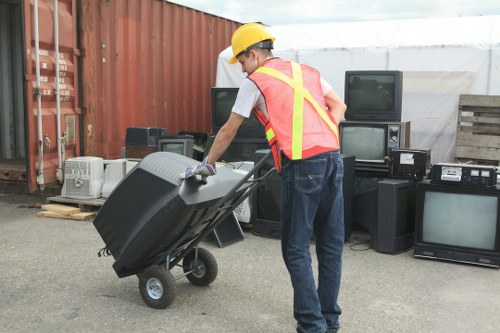 To support good decision-making, risk assessments will be carried out and updated when circumstances change. These assessments will consider the severity and likelihood of harm, along with the control measures needed to reduce exposure. Where possible, hazards will be eliminated entirely. If that is not possible, risks will be reduced as far as reasonably practicable through safer methods, better organisation, or suitable protective measures.
Safe Working Arrangements
Safe working arrangements are essential to the success of this occupational health and safety policy. Workspaces should be kept tidy, access routes clear, and equipment maintained in good condition. Defects should be reported immediately and unsafe items removed from use until repaired or replaced. This includes tools, vehicles, electrical appliances, and any other item that could cause injury if used incorrectly or without maintenance.
Emergency preparedness is also a central feature of the policy. Arrangements will be in place for fire safety, evacuation, first aid, and incident response. People must know what to do in an emergency and should act calmly, following the established procedures. Drills, reviews, and reminders help make sure responses are effective and that important steps are not missed when time is limited.
Special attention will be given to tasks that involve higher levels of risk, including work at height, lone working, lifting, exposure to harmful substances, or use of machinery. In these cases, stronger controls may be required, such as permits, inspections, additional supervision, or restricted access. The goal is to ensure that each task is performed with the right balance of caution, planning, and control.
Health, Welfare, and Incident Reporting
 The organisation recognises that health and safety management includes both physical safety and general welfare. Fatigue, stress, poor housekeeping, and unsuitable conditions can all affect performance and increase the chance of error. For that reason, the policy promotes reasonable workloads, appropriate breaks, and a workplace atmosphere where people feel able to raise concerns early.
Incidents, near misses, injuries, and unsafe conditions must be reported as soon as possible. Prompt reporting helps identify patterns, prevent recurrence, and improve future controls. All reports will be taken seriously and reviewed fairly. Where investigation is needed, it will focus on causes, lessons learned, and practical improvements rather than blame. This approach supports continuous improvement and encourages openness.
Where health issues may be affected by work activities, suitable support and adjustments will be considered. The organisation will aim to reduce exposure to harmful conditions and to promote safe habits that support long-term wellbeing. A health and safety framework works best when it is embedded into everyday practice, not treated as a separate task or occasional obligation.
Monitoring, Review, and Improvement
 This health and safety policy will be monitored regularly to confirm that it remains effective, understandable, and suitable for current operations. Reviews may be carried out following incidents, significant changes, or identified weaknesses. Findings will be used to improve procedures, strengthen training, and update controls where needed. Continuous review helps ensure the policy stays relevant as work methods evolve.
Compliance with safety rules is expected at all times, but the deeper purpose of the policy is to encourage awareness and accountability. When people understand why controls exist, they are more likely to apply them consistently. A reliable occupational safety policy depends on shared commitment, clear communication, and a willingness to make improvements when something could be done more safely.
Policy Commitment
Through this policy, the organisation commits to protecting people, reducing risk, and promoting a safe and healthy environment. By combining planning, training, monitoring, and continuous improvement, the health and safety policy supports responsible operations and helps ensure that safety remains a core value in every activity.