Home Clearance in Waste Removal
Making Space Again, the Practical Local Way

If you are looking for Home Clearance in Waste Removal, you are probably dealing with a property that has become difficult to manage. It might be a family home full of years of belongings, a flat with limited access, a rental property between tenancies, or a house that needs to be cleared quickly after a move, refurbishment, or bereavement. In every case, the goal is usually the same: clear the space safely, remove the waste responsibly, and make the process as straightforward as possible.
Local customers often want more than simple rubbish collection. They need a team that understands how to handle mixed household items, bulky furniture, general rubbish, old appliances, bags of unwanted goods, and awkward items that are too large or too heavy for a car boot run. They also want a service that respects the property, works around access limitations, and leaves the place tidy enough for the next stage, whether that is cleaning, selling, letting, or renovation.
Home clearance is not just about taking things away. It is about making decisions easier, reducing stress, and dealing with waste in a safe, legal, and efficient way. A reliable local waste removal service can help with one room or the entire property, depending on what you need. If you are comparing options and want a practical solution for a house, flat, bungalow, or commercial premises, this page explains what is included, how it works, and why local knowledge matters.
What Home Clearance by a Waste Removal Team Usually Covers
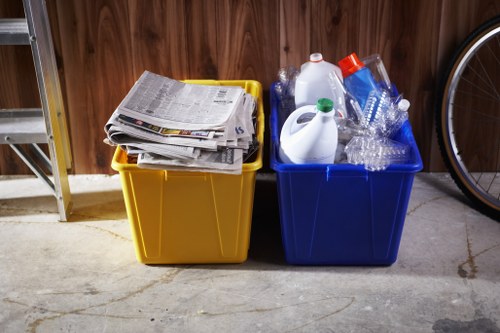
Every property is different, so the exact job can vary. Some customers need a full house clearance, while others only need help removing selected items from a loft, garage, shed, spare room, office, or storage area. A good waste removal team will usually assess what needs to go, plan the load, and remove items in a way that suits the building, the schedule, and the condition of the contents.
Typical items included in home clearance can be:
- Furniture such as sofas, beds, wardrobes, tables, chairs, and cabinets
- White goods and appliances, where suitable for collection
- General household rubbish and bagged waste
- Old toys, books, clothing, ornaments, and bric-a-brac
- Garden waste, shed contents, and garage clutter
- Mattresses, carpets, and underlay
- Office items, paperwork, and domestic clutter from home workspaces
- Light building waste from small domestic projects, where accepted
Some jobs also involve careful separation of items. For example, a client may want to keep family photographs, important paperwork, or personal mementos while everything else is removed. In those cases, clear instructions and a respectful approach are especially important. A local team should never rush through a property without checking what is to remain and what is to be taken away.
Why Customers Book a Local Home Clearance Service
There are many reasons people arrange waste removal for a home clearance. Often it is about time. A property may need to be emptied before a sale, end of tenancy, probate process, refurbishment, or council-related deadline. In other cases, the issue is simply the volume of accumulated items. Years of storing belongings in lofts, garages, and spare rooms can leave a property feeling crowded and difficult to use.
For many local customers, the main benefit is convenience. Instead of hiring a van, lifting heavy items, making multiple trips, and dealing with disposal rules, they can ask a professional team to handle the clearance in one visit or a small number of planned visits. That can be especially valuable for older homeowners, busy families, landlords, letting agents, executors, and businesses operating from converted houses or mixed-use properties.
There is also the question of safety. Moving heavy furniture, broken items, or stacked waste can lead to damaged walls, floors, and doorframes, or even injury. A team experienced in domestic clearance knows how to work around stairwells, narrow hallways, tight turns, communal entrances, and difficult parking situations. This matters in terraced streets, older housing stock, flats above shops, and properties where access is not straightforward.
Property Types We Commonly Help With

Waste removal for home clearance is rarely limited to one type of building. Local areas usually include a wide mix of property styles, and each one creates its own challenges. A detached house in a quieter residential road may have a garage and garden clearance as part of the job. A Victorian terrace may have narrow hallways, steps at the entrance, and limited parking. A modern apartment may require lift access booking or timed collection to fit around building rules.
We also regularly support:
- Flats and apartments with shared entrances or upper-floor access
- Terraced houses where roadside loading must be managed carefully
- Semi-detached and detached homes with lofts, sheds, and garages to clear
- Bungalows where mobility-sensitive access and careful handling matter
- Rental properties needing a reset between occupants
- Commercial spaces such as small offices, salons, workshops, and shop storage areas
This range matters because home clearance in waste removal is rarely a one-size-fits-all service. The right approach depends on stairs, parking, loading space, volume of waste, item type, and how quickly the property needs to be ready for the next step. A local team can often plan more effectively because they are familiar with the layout and access patterns common in the area.
How the Service Works from Start to Finish
Most customers prefer a service that is clear and simple. While every job is different, the process usually follows a similar path. First, you explain what needs removing and the type of property involved. If necessary, you may be asked for a description of the items, room count, access details, and whether there are any particularly bulky or delicate pieces. This helps the team decide what equipment, staffing, and vehicle space may be needed.
On the day of collection, the team will normally arrive ready to assess the job and confirm the plan. They may sort through the items with you, if requested, so that anything you want to keep can be set aside before clearance begins. Then the removal starts, usually with larger items first, followed by bags, loose waste, and smaller pieces. The aim is to remove everything agreed without disrupting the rest of the property more than necessary.
After the load has been taken away, the team should leave the area tidy. That does not mean the space is redecorated or deep cleaned, but it should be left in a condition that allows you to move on to cleaning, listing, repairs, or immediate use. For many clients, that tidy finish is one of the main reasons they choose a proper waste removal company rather than trying to do everything themselves.
Useful Preparation Before Your Home Clearance

Preparing well can make the appointment smoother and help the team work faster. You do not need to do everything in advance, but a little preparation can make a big difference, especially if the property is full or access is tight. If you are arranging a house clearance and waste removal service, consider these practical steps:
- Separate anything you definitely want to keep
- Put important documents, keys, and valuables aside
- Make a list of rooms, outbuildings, and storage areas to be cleared
- Tell the team about stairs, tight turns, low ceilings, or access restrictions
- Let them know if parking is limited or if a permit may be needed
- Check whether any items require special handling
- Remove personal or sensitive belongings from drawers and cupboards if needed
Helpful tip: if you are not on site for the clearance, label the items that should remain and make sure the instructions are clear before the team arrives. This is especially useful in probate clearances, landlord clearances, and properties where multiple family members are involved in the decision-making.
It can also help to group similar items together. For example, if you want the garage emptied but the loft left untouched, make that obvious ahead of time. If some possessions are to be donated, recycled, or kept for later collection, say so in advance so the removal can be organised correctly.
What Affects the Price of Home Clearance?
Customers often want to know what influences the cost of a clearance before they commit. Because every property and load is different, the price is usually shaped by practical factors rather than by one fixed figure. This is normal in waste removal and helps ensure you only pay for the work needed.
Common pricing factors include:
- The volume of waste or items to be removed
- The type of materials involved, such as furniture, general rubbish, appliances, or mixed household waste
- How easy it is to access the property
- Whether the clearance is from a ground floor, upper floor, loft, basement, or outbuilding
- Parking distance and loading conditions
- How much sorting, lifting, or dismantling is required
- Whether the job must be completed urgently or at a specific time
A local company should be able to explain these factors clearly so you can understand what you are paying for. If you are comparing options, ask for a clear breakdown of how the job will be assessed. That way, you can make a decision based on the size of the task, the access involved, and the level of service you need.
Why Local Knowledge Makes a Real Difference

Home clearance in waste removal often sounds simple from the outside, but local knowledge can make the job significantly smoother. A team familiar with nearby roads, parking patterns, housing styles, and common access issues can plan more accurately and reduce delays. That matters when you are working to a deadline or when the property is awkward to access.
For example, some streets may have limited roadside stopping space, controlled parking zones, or busy school-run traffic that affects collection timing. Some estates have shared courtyards or narrow access roads where a large vehicle needs to be positioned carefully. Older homes may have steep stairs or awkward basements, while converted properties can present tight communal entrances or fragile internal finishes. Local teams that regularly work in nearby areas are usually better prepared for these situations.
This local familiarity also helps with service flexibility. If you need a partial clearance now and the rest removed later, or you need coordination with other trades, property agents, or family members, a nearby team may be easier to schedule. That practical responsiveness is often exactly what customers want when a property needs clearing without unnecessary complication.
Areas Covered and the Type of Jobs We Support
Customers looking for Waste Removal often want a team that can cover surrounding neighbourhoods, not just a single postcode or street. Local service usually means being able to reach nearby villages, town centres, residential estates, and outlying areas without making the customer wait longer than necessary. If you are unsure whether your area is covered, it is sensible to request a quote and ask about availability for your location.
We commonly help with jobs in and around residential streets, suburban developments, local business areas, and mixed-use parts of town. That may include older homes, newer estates, flats near high streets, rental properties, office spaces, and properties on the edge of town where collection access can vary. The exact area covered depends on the provider, but a good local service should be able to respond to common clearance requests in nearby areas without fuss.
Jobs we typically help with include:
- Single-room clearances
- Full house clearances
- Garage and loft clearances
- Garden waste removal linked to home clearance
- End-of-tenancy clearances
- Probate and estate clearances
- Retail back-room and small commercial clearances
- Bulk rubbish removal from domestic or light business premises
If you have a job that falls between domestic and commercial, such as a home office above a shop or a property with storage used for business stock, the clearance can usually still be planned around your needs. The key is to explain the property type and what needs removing so the collection can be arranged properly.
What Makes a Good Home Clearance Service
Not every clearance is handled the same way. A good service should feel organised, respectful, and easy to deal with from the first enquiry through to completion. When people search for home clearance in waste removal, they are often trying to avoid extra stress. That means the best service is usually the one that solves problems rather than creating them.
Look for a team that can communicate clearly about what is included, what happens on the day, and what access details they need. They should be able to explain how mixed waste is handled, how bulky items are removed safely, and whether any materials need separate treatment. They should also take care around walls, stairs, flooring, and shared spaces, which matters in both occupied and empty properties.
Professionalism also shows in the little things: turning up prepared, working efficiently, confirming the agreed items, and leaving the cleared areas reasonably tidy. If you are letting a property, managing an estate, or preparing a home for sale, these details can make a big difference to how quickly you move forward.
When Home Clearance Is Especially Useful
Some situations make waste removal and home clearance particularly valuable. These can arise suddenly, or they may build up over time until the property can no longer function comfortably. In many cases, a prompt clear-out helps reduce pressure and creates a usable space again.
- Moving house: remove items you do not want to transport
- Downsizing: simplify the property before moving to a smaller home
- Bereavement: clear a property carefully and respectfully
- End of tenancy: remove abandoned or unwanted items quickly
- Refurbishment: empty rooms before decorating or repair work
- Decluttering: reclaim space in rooms, lofts, sheds, and garages
- Business at home: remove outdated stock, desks, files, or equipment
Many local customers arrange a clearance because they have reached the point where the clutter has become difficult to manage alone. That is often the right time to ask for help. A proper waste removal team can turn a large, overwhelming task into something manageable, with a clear plan and a defined outcome.
Frequently Asked Questions
When people enquire about home clearance, they often ask similar practical questions. Here are some of the most common ones we hear from local customers.
Can you clear just part of a property?
Yes. You do not need to book a full house clearance if you only want specific rooms, items, or outbuildings removed. Many customers ask for a partial clearance, such as a loft, garage, shed, spare room, or a few bulky items from a lounge or bedroom.
Do I need to sort everything before the team arrives?
Not always. Some customers prefer to sort items themselves, while others ask for help with the whole process. It is best to set aside anything you want to keep and give clear instructions on what should go. If the property is heavily cluttered, the team can usually work through it with you or follow agreed instructions.
What if I have stairs, narrow access, or parking restrictions?
That is common, especially in older homes, terraces, flats, and busy residential streets. Let the team know in advance so they can plan for the access conditions. Local knowledge is particularly useful when parking is limited or when a collection needs to be timed carefully.
Can you help with landlord or end-of-tenancy clearances?
Yes. This type of waste removal is often requested when a tenant has left items behind or when a property needs to be turned around quickly. A professional clearance helps prepare the space for cleaning, inspection, repairs, or re-letting.
What happens to the waste after collection?
The waste should be handled responsibly and taken to the appropriate disposal or processing route, depending on the type of items removed. Reusable and recyclable materials may be separated where possible. If you are concerned about specific materials, ask in advance so you know how they will be managed.
How to Decide If You Need Full Clearance or Waste Removal Only
Some customers are unsure whether they need a full home clearance or simply waste removal from a specific area. The answer usually depends on the amount of unwanted material and the condition of the property. If most of the home is staying as it is and only certain bulky or unwanted items need removing, waste removal may be enough. If rooms are packed, cupboards are overflowing, or a property needs to be emptied before it can be used, a fuller clearance is often the better option.
A few signs that you may need a larger-scale service include:
- Multiple rooms with accumulated household items
- Furniture that needs dismantling before removal
- Lofts, sheds, or garages that have not been cleared for years
- Mixed waste from several parts of the property
- A deadline for sale, letting, move-out, or renovation
If you are still unsure, you can request a quote and describe the rooms or items in question. That gives you a clear idea of the best approach without making assumptions. Contact us today if you are ready to discuss the property, or book your service now if you already know what needs removing.
Final Thoughts for Local Customers
Choosing a home clearance service should feel practical, not complicated. Whether you are clearing a family property, tidying a rental, emptying a garage, or removing mixed domestic waste, the right local team can save time, reduce physical effort, and help you move the property forward. The best results usually come from clear instructions, sensible planning, and a waste removal provider that understands the realities of local homes and access conditions.
If you need Home Clearance in Waste Removal for a house, flat, bungalow, or small business premises, it pays to choose a service that is responsive, respectful, and familiar with the area. From the first conversation to the final load, the aim should be to make the process simple and efficient for you.
Request a free quote when you are ready, and take the next step toward a clearer, more usable space. Whether the job is urgent or planned in advance, local home clearance support can make a difficult task feel much more manageable.