Council Rubbish Collection in Waste Removal: Local Help for Homes, Flats, Shops, and Worksites
If you need council rubbish collection in waste removal, you are usually looking for a practical, local solution that fits real life: bulky items that will not fit in the bin, bags of waste left after a clear-out, garden debris, household clutter, or commercial rubbish that has built up faster than expected. For many local customers, the challenge is not just getting rid of waste, but doing it in a way that is quick, compliant, and suited to the property type, access, and timetable you are dealing with.
That is where a local waste removal service can make a real difference. Whether you live in a terraced house with limited front access, a flat with shared bins, a retail unit with awkward loading space, or a site that needs regular clearance, having a team that understands local conditions helps keep the process simple. From one-off collections to repeat support, the right service can handle the lifting, sorting, and removal so you do not have to deal with the mess, the transport, or the stress.
Many customers first look into council collection options when they need a proper solution for mixed waste, bulky furniture, old appliances, renovation debris, or overflowing refuse that needs to be cleared safely. In practice, a local team can often offer a more flexible approach, especially when timing matters, access is tight, or the collection needs are outside routine household waste. If you are comparing options, it helps to know what is included, what affects the cost, and how to prepare so your collection goes smoothly.
What Council Rubbish Collection in Waste Removal Means for Local Customers

For many people, council rubbish collection in waste removal is about finding the right way to dispose of items that regular bins cannot handle. This may include bulky domestic waste, furniture, broken household items, garden cuttings, packaging from a move, or waste from small building and decorating projects. It can also include collections for shops, offices, cafés, landlords, and property managers who need waste cleared without interrupting daily operations.
The phrase often covers more than a single service type. Some customers need help with bulk rubbish removal, while others need a flexible local waste collection for mixed loads, separate recycling streams, or hard-to-move items. The key is choosing a service that understands the local area and the realities of your property. On busy streets, for example, parking can be limited. In older homes, narrow hallways or stairs can make lifting difficult. In commercial units, waste may need to be removed at specific times to avoid customers or deliveries.
Instead of trying to manage all of this yourself, a local rubbish removal team can take care of the loading, transport, and disposal in one visit. That can save time, reduce disruption, and make it easier to keep your home or business clean and usable. Contact us today if you want a straightforward collection arranged around your needs.
Who Uses This Service?
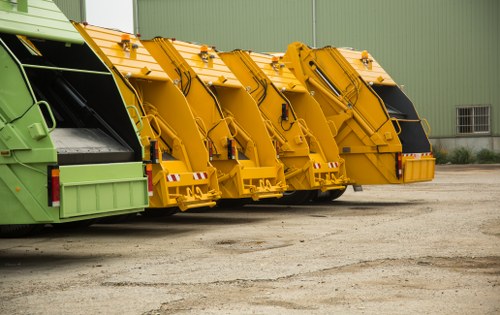
Waste removal support is used by a wide range of local customers, each with different priorities. A family moving house may need an end-of-tenancy clearance after sorting a loft, garage, and garden shed. A landlord may need waste removed between tenancies. A shop may need cardboard, display packaging, and stockroom clutter cleared. A builder may need rubble and offcuts removed after a small refurbishment.
Residential customers often need help with one-off jobs such as replacing furniture, clearing a spare room, or getting rid of items after a declutter. This is especially useful in flats, maisonettes, older terraces, and homes with shared entrances, where moving bulky waste can be difficult. Commercial customers, meanwhile, often value regularity and speed. They may need waste removed before opening hours, after closing, or at specific times when parking and access are easier.
Local service matters because every property type presents different challenges. A detached home may have driveway access, but a city-centre flat might require careful lifting and timed parking. A warehouse could have large volumes but simple access, while a small high-street unit may need careful manoeuvring through a narrow loading bay. The best service adapts to the location rather than expecting the location to adapt to the service.
Common Types of Waste We Remove
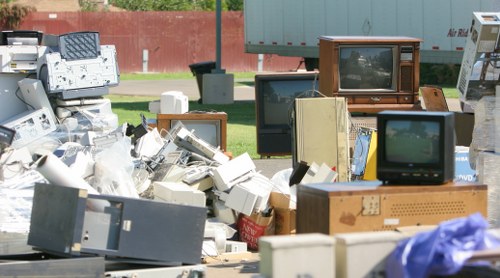
Customers ask for waste removal for all kinds of jobs, and the loads can vary from a single item to a full clearance. Common examples include old furniture, mattresses, white goods, bagged household rubbish, broken toys, unwanted clothes, garage waste, shed contents, garden waste, office clutter, and packaging from deliveries or refurbishments. Some collections involve mixed materials that need careful sorting before disposal.
We also help with heavier or awkward waste where manual handling needs to be done safely. That can include timber, soil, tiles, broken fencing, small amounts of rubble, and renovation debris from non-structural work. In commercial settings, customers may need help removing cardboard, shelving, office furniture, confidential waste awaiting specialist handling, or stock that is no longer fit for sale. In each case, the aim is to remove waste efficiently while keeping the process tidy and practical.
It is always worth separating items in advance where you can, but a good collection service should also be ready to handle mixed loads. If you are unsure what can be taken, what needs separate handling, or whether a particular item needs extra preparation, ask before booking. That helps avoid delays and ensures the collection is planned correctly from the start.
Why Local Waste Removal Is Often the Better Choice

Many local customers compare council collection options with private waste removal because they want speed, convenience, or a more tailored service. A local team can often offer more flexibility on time slots, respond to urgent clearances, and accommodate access issues that make larger or more rigid services less practical. If you are working around a move-out date, an incoming tenant, a shop refit, or a family event, that flexibility can be invaluable.
There is also the matter of access. In busy neighbourhoods, parking restrictions, narrow roads, and restricted loading can make collection more complicated than it first appears. Local waste removal teams are usually familiar with the streets, traffic patterns, and common access challenges in the area, which helps them plan the job properly. This can reduce waiting time, improve efficiency, and make it easier to complete the collection in one visit.
Another advantage is personal service. A local provider can often discuss your load in more detail, explain how the collection will work, and advise on preparation so you are not left guessing. For many customers, that kind of practical support is worth a lot. If you need a service that is responsive and easy to arrange, request a free quote and see how the process can be tailored to your property and waste type.
How the Service Works
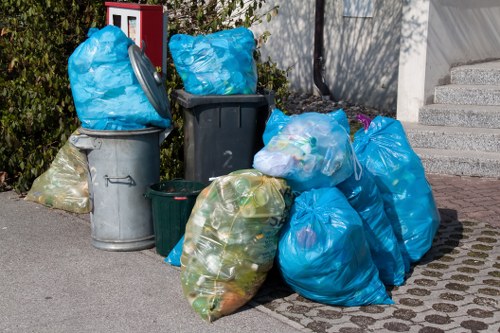
The process is usually simple, but it is helpful to know what to expect. Most customers start by describing the waste, the approximate volume, and the location. That may include whether the waste is in a front garden, driveway, garage, back yard, communal hallway, office floor, or site container. The clearer the information, the easier it is to plan the job accurately.
Once the collection is arranged, the team arrives with the right equipment to load the waste safely. If the waste is already grouped together, that can make the process faster. If items need to be lifted from different rooms or floors, the team can normally help with that too, provided access is safe and reasonable. After loading, the waste is transported for responsible disposal, and where possible, reusable or recyclable materials are separated from general rubbish.
For customers, the main benefit is simplicity. You do not need to hire a vehicle, manage heavy lifting, or make multiple trips to a disposal site. Instead, the collection is completed in one organised visit. This is especially useful for households, landlords, and businesses that want a clean result with minimal disruption. Book your service now if you want waste cleared without adding more work to your day.
What Is Usually Included
When choosing council rubbish collection in waste removal, it helps to understand what is normally part of the service. Although the exact scope depends on the job, most local collections aim to make the entire removal process easier for the customer. That often includes the labour, lifting, loading, and transport of the waste, along with the practical planning needed to complete the job smoothly.
Typical inclusions may be:
- Loading of household, commercial, or mixed waste
- Removal from accessible areas such as driveways, front gardens, garages, yards, or commercial premises
- Transport to the appropriate disposal or transfer facility
- Sorting of recyclable and reusable items where suitable
- Safe handling of bulky or awkward items
- Clear communication about what can and cannot be collected
Some jobs require extra planning, especially if items are upstairs, in a basement, behind locked gates, or stored in shared areas. It is also sensible to be clear about anything that may need specialist handling, such as certain hazardous or restricted materials. Being upfront about the waste type helps the team prepare correctly and prevents last-minute changes on the day.
Optional job types that local customers often ask about
Customers frequently ask for support with:
- House clearances after moving or downsizing
- Garage and shed clear-outs
- Garden waste collection after landscaping
- Office and shop waste removal
- End-of-tenancy waste clearances
- Rubble and renovation debris removal
If your job falls outside a standard household collection, it is still worth enquiring. A local service can often advise on the safest and most practical way to manage it.
Preparation Checklist for a Smooth Collection
Preparing properly can make a real difference, especially if the waste is being collected from a property with limited access. A few simple steps can save time and help the job run smoothly. If you are arranging waste removal at a home, flat, shop, or worksite, consider the checklist below before collection day.
Before the team arrives:
- Separate items you definitely want removed from items you want to keep
- Group waste together where possible
- Make sure pathways are clear for safe lifting
- Unlock gates or provide access instructions in advance
- Check whether parking or loading space is available nearby
- Move personal or valuable items away from the waste area
- Tell the team about any stairs, tight corners, or restricted entry points
This preparation is especially useful in terraced streets, apartment blocks, and commercial units where access can be more complicated. If you are unable to move the waste yourself, that is fine too. Just make it clear what needs to be collected and where it is located so the team can plan the lifting properly.
Good preparation is not about making the job easier for you alone; it helps the whole collection happen safely and efficiently. If you have bulky items, heavy bags, or a mixed load, a quick description and a few photos can be useful when asking for a quote.
Pricing Factors Customers Should Know About
Customers often want to understand what affects the cost of waste removal. While exact prices depend on the job, several factors commonly influence the quote. These include the type of waste, the amount of waste, how easy it is to access, whether labour is needed for carrying items from inside the property, and whether the load includes anything that requires special handling.
For example, a small load of bagged rubbish from a driveway is usually easier to collect than a larger mixed clearance from a flat with stairs and no nearby parking. Likewise, light household rubbish can be faster to load than heavy rubble, wet garden waste, or bulky furniture that must be dismantled first. Commercial collections may also vary depending on timing, frequency, and the amount of sorting required.
What matters most is getting an accurate assessment before the collection begins. That is why customers are encouraged to request a quote based on a clear description of the waste. Good pricing should reflect the work involved, not just the volume in a rough estimate. If the load changes, it is best to mention that early so the service can be adjusted appropriately.
Helpful questions to ask when requesting a quote
- What type of waste do you collect?
- Is loading from inside the property included?
- How do access and parking affect the quote?
- Can mixed waste be collected together?
- Are there any items that need separate handling?
These questions help you compare services on a like-for-like basis and choose the option that suits your property, schedule, and budget.
Why a Local Company Is Useful in Council Rubbish Collection in Waste Removal
Local knowledge matters more than many customers expect. A nearby team is more likely to understand the area’s street layout, common parking limitations, traffic patterns, and property styles. That is particularly important if your waste is located in a place that is difficult to reach, such as a rear alley, shared courtyard, top-floor flat, or commercial premises with limited loading space.
A local company can also be more responsive when plans change. If your moving day runs late, your builder finishes early, or your landlord needs a faster turnaround, a local team is often better positioned to adapt. This is useful for households, letting agents, landlords, and businesses that need practical support rather than a rigid one-size-fits-all arrangement.
Many customers also prefer a local provider because communication is simpler. You can describe the waste, explain the property layout, and get a realistic idea of what the collection will involve. That direct approach helps avoid misunderstandings and makes it easier to arrange a visit that actually suits your needs.
Local situations where flexibility really helps
Examples include busy high streets, cul-de-sacs with limited turning space, flats with shared stairwells, older properties with narrow entrances, and sites where deliveries or customers are arriving throughout the day. In each case, the service has to fit the environment, not create extra disruption.
Areas Covered
Local waste removal support is often used across nearby neighbourhoods and surrounding areas, including residential streets, town centres, business districts, industrial estates, newer developments, and village properties where access can vary significantly. This may include:
- Homes and flats in central residential areas
- Terraced streets, semi-detached homes, and larger family properties
- Commercial units, shops, offices, cafés, and hospitality venues
- Landlord properties and rental portfolios
- Construction and refurbishment sites
- Garages, gardens, sheds, lofts, and outbuildings
If you are based in a nearby area and are not sure whether your location is covered, it is usually worth asking. The best local services are often happy to discuss access, parking, and collection requirements before you commit. That way, you can get the right support for your postcode, property type, and waste volume.
Whether you are clearing a single item or a full load, a local collection can save time and remove a lot of hassle. For many customers, that convenience is exactly what they need when rubbish has started to pile up.
Residential Waste Removal for Homes, Flats, and Moving Day Clearances
Household waste builds up for many reasons: spring cleaning, downsizing, replacing furniture, clearing a loft, or dealing with the aftermath of a move. For local residents, the challenge is often not the amount of waste alone, but how to move it safely out of the property. A sofa may not fit through a narrow hallway. Old appliances may be heavy and awkward. Black bags may be too many to handle in one trip.
This is where residential waste removal becomes especially useful. It allows homeowners and tenants to clear unwanted items without having to hire a van or spend a day making disposal trips. It also works well for landlords who need a property cleared quickly between occupancies. From student lets to family homes, the service can be scaled to match the job rather than forcing everything into a standard approach.
For tenants, timing can be particularly important. If you are leaving a property, clearing rubbish before the final inspection can help keep the handover straightforward. If you are moving in, a clear property makes it easier to settle in and start organising your space. Either way, a local collection can make the transition less stressful.
Commercial Waste Removal for Shops, Offices, and Local Businesses
Businesses need waste cleared in a way that is efficient, discreet, and reliable. A shop may need packaging, broken fittings, or old displays removed quickly so trading is not interrupted. An office may need clutter, paper waste, chairs, desks, and shelving cleared during a refit or relocation. Hospitality businesses may need regular help with cardboard, back-of-house waste, or unwanted equipment.
Commercial customers often have different priorities from household customers. They may need collections outside peak trading hours, support with loading from rear access points, or help dealing with waste that must be removed on a tight schedule. A local team can be especially useful here because they are more likely to understand how to work around local business activity, loading rules, and access constraints.
Keeping business waste under control matters for appearance, safety, and day-to-day operations. An organised collection can help your premises stay tidy, reduce hazards in storage areas, and make sure staff can focus on work instead of waste.
Frequently Asked Questions
Can you collect waste from inside my property?
Yes, many collections can include lifting from inside a home, flat, office, or other premises, provided access is safe and the job details are clear beforehand.
Do I need to move everything outside first?
No, not always. If you can group items together, that helps, but many customers need rubbish removed from inside rooms, basements, sheds, or upper floors.
What if I have mixed waste?
Mixed loads are common. It is best to describe the waste as accurately as possible so the service can plan for the correct handling and disposal route.
Can you help with bulky furniture and appliances?
Yes, bulky items are one of the main reasons customers arrange waste removal. Just mention any items that are especially heavy, awkward, or difficult to remove from the property.
How much notice do you need?
That depends on availability and the size of the job. Some collections can be arranged quickly, while larger clearances may need more planning. It is always worth enquiring early if you have a deadline.
Is council rubbish collection in waste removal suitable for businesses?
Yes. Many local businesses use this kind of service for one-off clearances, regular waste support, or practical help during changes, refurbishments, and relocations.
What should I do if I am not sure whether an item can be removed?
Describe the item in advance and ask for advice before booking. That is the easiest way to avoid surprises and make sure the job is handled correctly.
Choosing the Right Service for Your Property
When selecting a service, look for practical signs that it is suited to local customers. The best option will be clear about what is included, willing to discuss access and parking, and ready to explain how the collection will be completed. That matters whether you live on a busy main road, in a flat above a shop, on a quiet estate, or near a commercial area where loading space is limited.
It also helps to choose a team that can handle different property types. A good local provider should be able to manage domestic clearances, landlord jobs, office rubbish, and site waste without making the process complicated. The aim is to give you one straightforward point of contact for the waste you need removed.
If your rubbish is becoming inconvenient, unsafe, or simply too much to manage, now is a good time to act. Request a free quote, explain what needs collecting, and ask how the service can be arranged around your home or business. In many cases, the solution is simpler than customers expect.
Ready to Clear the Waste?
Whether you are dealing with a single bulky item, a room full of clutter, or a mixed load from a property or workplace, council rubbish collection in waste removal can provide a practical way forward. A local service can reduce lifting, save time, and remove the hassle of trying to organise disposal on your own. It is a convenient choice for families, landlords, tenants, shop owners, office managers, and tradespeople who need waste cleared properly and efficiently.
If you want help with a one-off clearance or need to discuss a larger job, contact us today to request a free quote. Share the type of waste, the approximate amount, and any access details, and the collection can be planned around your property and schedule. When rubbish starts to get in the way, the right local service makes it easier to reclaim your space and move on with less stress.
Book your service now if you want a clear, practical solution from a team that understands local homes, local businesses, and the everyday realities of waste removal.