Large Item Collection in Waste Removal
Fast, Practical Help for Bulky Waste and Heavy Household Items
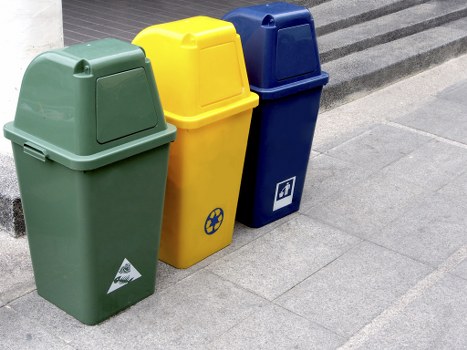
If you are dealing with an old sofa, a broken wardrobe, a mattress that will not fit in your car, or a pile of unwanted bulky waste after a move, you are not alone. Many local homes and businesses need large item collection in waste removal when items are simply too heavy, awkward, or inconvenient to handle on their own.
This service is designed to make life easier when everyday rubbish removal is no longer enough. Whether the job is inside a flat, at the end of a shared driveway, in a shop storeroom, or on a commercial site, having a local team handle the lifting and transport saves time and reduces stress. It also avoids the hassle of trying to organise a suitable vehicle, finding enough help, and figuring out where everything can go.
For many customers, the need is urgent and practical: a tenancy is ending, a property is being cleared, a replacement item has already arrived, or a business needs space back quickly. In those situations, professional bulky waste removal is often the simplest way to get the job done properly, with less disruption and less heavy lifting for you.
What Large Item Collection Usually Covers

Large item collection can include almost any bulky object that is awkward to move or too large for regular household bins. It is especially useful when items are still in one piece and need to be carried out safely rather than broken down on site. A local waste removal team can usually help with one-off items as well as full property clearances.
Typical items collected during bulky waste removal include a wide range of furniture, appliances, and oversized household goods. Some jobs involve a single item from a first-floor flat, while others involve multiple loads from garages, lofts, sheds, or office storage areas. The service is flexible enough to suit both residential and commercial customers.
Common examples include:
- Sofas, armchairs, recliners, and footstools
- Beds, mattresses, divan bases, headboards, and wardrobes
- Dining tables, chairs, desks, cabinets, and shelving
- Fridges, freezers, washing machines, tumble dryers, and dishwashers
- TV units, large screens, and bulky electronics
- Carpets, underlay, and flooring offcuts
- Garden furniture, sheds, fencing sections, and outdoor play equipment
- Office furniture, filing units, and surplus stock storage items
Why Local Customers Choose This Service

Local customers often choose a dedicated bulky waste service because it removes several common problems at once. It is not just about taking something away; it is about getting it out of the property safely, moving it through tight spaces, and handling the disposal in a responsible way. That matters when you live in a town centre flat, a terrace with narrow access, a modern apartment block, or a busy commercial unit with little room to manoeuvre.
Waste removal for large items is especially helpful when access is limited. Parking restrictions, stairwells, shared entrances, narrow hallways, and awkward loading points can all make a simple job much harder. A local team is more likely to understand the layout of nearby streets, common parking issues, loading bays, and typical property types in the area, which helps the collection run more smoothly.
It is also useful for people who want a straightforward solution without hiring equipment or making multiple trips. Instead of organising transport yourself, a waste collection team can arrive with the right vehicle, enough manpower, and the experience to remove heavy or bulky items efficiently. That makes it a practical option for homeowners, landlords, letting agents, shop managers, facilities teams, and tradespeople.
How the Service Works
The process is designed to be simple and convenient. Most customers want to know what happens from the moment they ask for help through to the final collection. While every job is slightly different, a typical large item collection follows a clear and sensible structure.
First, you describe the items that need removing, including approximate size, quantity, access details, and where the items are located. If the items are spread across several rooms, stored in a loft, or placed in a rear garden, it helps to mention that early. This allows the team to plan the right amount of time and the right vehicle space for the visit.
Then, a convenient collection time is arranged. On the day, the team will usually assess the load, confirm what is being taken, and begin removing the items with care. If an item is too large to get out in one piece, it may be dismantled where appropriate. Once everything is loaded, the area is left tidy and the waste is transported for sorting and disposal.
What customers appreciate most is that the service removes the physical strain from the job. You do not need to drag items down stairs, lift heavy furniture into a car, or worry about where the waste should go next. Instead, you can focus on the reason behind the clearance, whether that is a move, renovation, end-of-tenancy work, or general decluttering.
Residential Large Item Collection for Homes and Flats
Homes come in many forms, and bulky waste removal needs to suit all of them. In a detached house, the challenge may be a heavy sofa in the lounge or a broken bed frame in the attic. In a terraced property, the issue may be a narrow passage, shared rear access, or limited roadside parking. In flats and apartments, stairs, lifts, and building rules can all make collection more difficult.
A local waste removal provider can usually adapt to the layout of the property and the nature of the items. That might mean carrying furniture from an upper floor, removing goods from a basement, or carefully moving items through common hallways without causing disruption. This flexibility is one of the biggest advantages of using a local bulky waste collection service rather than trying to handle everything alone.
Residential customers often book collections for reasons such as moving home, replacing furniture, clearing out a relative’s property, preparing a rental property for new tenants, or making space for a new appliance or renovation. In each case, the goal is the same: get large items removed efficiently and responsibly without turning the day into a heavy-lifting project.
Common home situations
- End-of-tenancy clearances
- Pre-move decluttering
- Post-renovation furniture disposal
- Garage and loft cleanouts
- Garden clearances after seasonal use
- Replacement of old white goods or furniture
Commercial and Landlord Collections
Businesses and property professionals often need a dependable waste removal service for large item collection when space, time, and safety matter. Offices, shops, cafés, clinics, warehouses, and managed properties can all accumulate bulky items that cannot be left sitting around. Old desks, shelving, damaged stock fixtures, broken appliances, and worn waiting room furniture all take up valuable room that could be used more effectively.
For landlords and letting agents, bulky waste collection is especially useful at changeover points. Tenants may leave behind furniture, mattresses, or broken household items that need to be cleared before cleaning, repairs, or re-letting. A local team can remove these items quickly, which helps reduce delays between occupancies and keeps properties presentable.
Commercial customers also value a service that works around practical site conditions. That may include restricted loading times, shared access with other businesses, security procedures, or the need to remove waste without interrupting customer activity. When local knowledge is combined with the right equipment and a clear collection process, the job becomes much easier to manage.
What Is Included in a Professional Collection
When people enquire about large item collection in waste removal, they often want to know exactly what they are paying for and what the service covers. A good local service should be clear, practical, and focused on making the collection as simple as possible for the customer.
Although every job is different, a professional large item collection usually includes lifting, loading, transport, and responsible disposal. Depending on the agreement, it may also include light dismantling of furniture or careful removal from awkward access points. The aim is to reduce the amount of work you need to do before the team arrives.
Typical inclusions may be:
- Collection of one or more large items
- Manual loading by the team
- Transport in a suitable waste vehicle
- Sorting and disposal at the correct facility
- Basic dismantling where needed and appropriate
- Tidy-up of the immediate area after removal
Items that may need special handling
Some bulky objects need extra care because of their weight, material, or location. This may apply to items such as large wardrobes, American-style fridges, exercise equipment, or heavy office furniture. If an item is particularly difficult to remove, it helps to mention that before booking so the team can plan accordingly.
Access, Parking, and Property Challenges
One of the biggest reasons local customers search for bulky item removal is access. A collection can be straightforward in a house with a driveway, but much more complicated in a dense residential street or a multi-storey building. Parking restrictions, low bridges, narrow lanes, controlled entry systems, and shared courtyards can all affect how the job is carried out.
That is where a local waste removal team adds real value. They are more likely to understand the realities of nearby streets and property layouts, and they know how to adapt to awkward conditions. If the items are located in a rear garden, on an upper floor, or inside a commercial unit with limited loading access, the team can plan the right approach before arriving.
Good planning matters because it helps avoid delays and reduces the chance of problems on the day. Customers can make the job easier by mentioning stair counts, lift restrictions, gate codes, parking limitations, and whether items need to be moved through communal areas. The more accurate the information, the smoother the collection.
Helpful access details to share
- Floor level and whether there is a lift
- Parking availability near the property
- Any narrow hallways, doorways, or staircases
- Whether items are inside, in a loft, in a garden, or in a shed
- Any timing restrictions on the property or street
How to Prepare Before the Team Arrives
A little preparation can make a big difference on collection day. You do not need to do heavy lifting yourself, but it helps to make the items easy to identify and access. This keeps the visit efficient and helps the team complete the work without unnecessary delays.
Start by deciding exactly what needs to go. If there are items you want to keep, move them away from the collection area so there is no confusion. It can also help to separate smaller loose pieces, such as cushions, shelves, or removable drawers, if they are already detached and easy to group. If you are unsure whether something should be included, ask in advance rather than leaving it to chance on the day.
It is also sensible to clear a path to the items if possible. That does not mean shifting everything yourself, but making sure the route is safe and not blocked by fragile belongings, pet gates, or parked vehicles can save time. If the collection involves a busy household or a trading premises, letting other occupants know the time slot can help keep the process smooth and stress-free.
Preparation checklist:
- Confirm the items to be removed
- Make access as clear as possible
- Check parking or loading arrangements
- Keep pets and children away from the work area
- Point out anything fragile or restricted
- Share any special access instructions before arrival
Pricing Factors Customers Usually Ask About
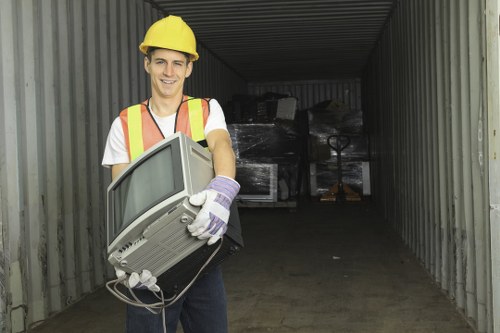
Most customers want a clear understanding of what affects the cost of a bulky waste collection. While exact prices vary by job, there are a few common factors that normally influence the quote. Being aware of these helps you compare services fairly and understand why one collection may differ from another.
One factor is the size and number of items. A single chair is very different from several large wardrobes or a full room of office furniture. Another factor is how easy the items are to access. A ground-floor collection with roadside parking is usually simpler than an upper-floor removal with stairs and narrow access.
Other pricing factors may include whether the items need dismantling, how heavy they are, how much vehicle space they use, and whether disposal requires special handling. Some materials may also need separate processing depending on what they are made of. A reputable local provider will usually talk through these details before the collection so there are no surprises.
Factors that may influence a quote:
- Volume of waste and number of bulky items
- Weight and type of materials
- Access difficulty and carrying distance
- Need for dismantling or extra handling
- Special disposal requirements for certain items
- Timing or site-specific constraints
If you are planning ahead, it is a good idea to request a free quote based on a clear description of the job. That way, you can make an informed decision and book the right service for your situation.
Why Using a Local Company Makes Sense
Choosing a local team for waste removal and large item collection often brings practical advantages that matter on the day. Local crews tend to be familiar with the surrounding roads, common property layouts, and access limitations in nearby neighbourhoods. That can make a real difference when timing, parking, and load-out logistics are important.
There is also the benefit of responsiveness. If you have a last-minute clearance, a property deadline, or a project that has overrun, a local provider is often better placed to arrange a collection without unnecessary delay. For many customers, that flexibility is just as valuable as the removal itself.
Local service also tends to feel more personal and more practical. You are dealing with people who understand the type of properties in the area, from new-build apartments and suburban homes to older terraces, high streets, industrial units, and managed rental buildings. That local familiarity helps the service feel straightforward and well matched to real customer needs.
Advantages of a nearby waste removal team
- Better understanding of local access and parking issues
- More convenient collection times
- Useful for urgent or time-sensitive jobs
- Experience with residential and commercial premises
- Practical support for awkward or bulky items
Areas Typically Covered
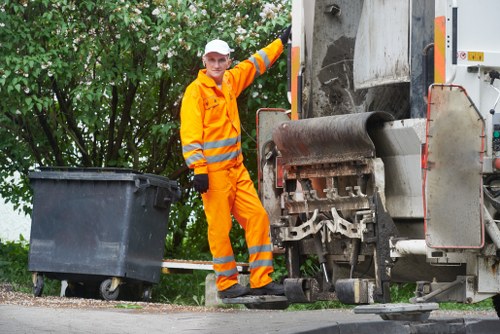
Local large item collection is often used by customers across nearby towns, neighbourhoods, and surrounding districts. Coverage may include central residential streets, outlying estates, business parks, retail areas, and village locations, depending on the service area operated by the waste removal team.
Because bulky waste jobs often involve specific access details, it is useful to check whether your property, commercial unit, or rental address falls within the normal collection area. This is especially helpful if you are in a border location, a rural lane, a gated development, or a place with restricted entry. A local team can usually advise whether the job can be handled and what information is needed to plan the visit.
For customers in nearby residential and commercial areas, the main benefit is simple: the service comes to you, handles the lifting, and removes the items without turning the day into a transport problem. If you are unsure whether your location is covered, it is always worth asking when you request your quote.
Environmental Responsibility and Proper Disposal
Customers increasingly want to know that their waste is handled responsibly. Large item collection is not only about removing bulky objects from your property; it is also about making sure they are dealt with in the right way afterwards. A professional waste removal service should sort items appropriately and send them to the correct processing facilities whenever possible.
This matters for practical and environmental reasons. Furniture, metals, appliances, textiles, wood, and mixed materials may all need different handling. By separating and disposing of bulky waste properly, the service helps reduce unnecessary landfill use and supports better material recovery where possible.
It is also reassuring for customers who are clearing out a family home, managing a property portfolio, or disposing of old business equipment. Knowing that the items are removed in an organised way gives peace of mind and helps keep the process straightforward from start to finish.
When Large Item Collection Is the Right Choice
There are plenty of situations where this service is the best fit. If the item is too large for a car, too heavy to carry safely without help, or too awkward to dismantle yourself, professional collection is usually the simplest answer. It is also ideal when you need the space cleared quickly and do not want the disruption of renting a van, borrowing equipment, or taking multiple trips to a disposal site.
Some customers use the service as part of a bigger project. That might involve preparing a property for sale, clearing a storage room, removing old furnishings before redecorating, or freeing up floor space in a business premises. Others simply need a single item removed and want a fast, tidy solution from a local team they can trust to handle the practical side.
In all these cases, the goal is the same: remove the problem item, keep the process simple, and make sure the property is left ready for whatever comes next. If that sounds like what you need, request a free quote and arrange a convenient collection time.
Frequently Asked Questions
Can you remove just one large item?
Yes. Many customers book a collection for a single bulky item such as a sofa, mattress, wardrobe, or appliance. A one-item job is very common and can often be arranged without complication.
Do I need to move the item outside first?
No, not usually. The team can often collect the item from inside the property, from a garden, garage, loft, or commercial unit. If access is especially difficult, it helps to mention this when booking.
What if the item is too big to fit through the door?
In some cases, light dismantling may be possible if it is safe and appropriate. If that is likely to be needed, let the service provider know beforehand so they can plan for it.
Can you help with furniture left by tenants?
Yes. Landlords and letting agents often use large item collection for end-of-tenancy clearances and leftover bulky waste. It is a practical way to get properties ready for cleaning, repairs, or re-letting.
What happens to the items after collection?
They are transported for sorting and disposal through the proper channels. Depending on the materials and condition, some items may be separated for different handling routes.
How do I get a quote?
Simply provide a description of the items, their location, and any access details. From there, you can request a free quote and choose a collection time that works for you.
Book Your Large Item Collection Today
If you need a dependable, local solution for bulky waste, the easiest next step is to arrange a collection that fits your property, your access conditions, and your schedule. Whether you are clearing a home, handling a tenancy change, or removing awkward commercial items, a professional waste removal team can save you time, effort, and stress.
From single-item pickups to larger clearances, the service is built around convenience and practical support. You do not need to handle the lifting, organise transport, or figure out disposal on your own. Instead, you can hand the task over to a team that deals with large item collection every day.
Contact us today to discuss your items, request a free quote, and book your service now. If you want fast, local help with bulky waste, this is the straightforward way to get the space back without the hassle.