Office Clearance in Waste Removal
Office clearance in waste removal is about more than simply taking away old desks and broken chairs. For local businesses, landlords, managing agents, and organisations that are moving, downsizing, refurbishing, or closing a workspace, it is a practical service that saves time, reduces stress, and helps keep premises safe and ready for their next use. Whether you need a single floor cleared, an entire commercial unit emptied, or a small back office tidied after years of accumulated clutter, a local team can make the process straightforward.
In busy towns and city areas, offices often come with awkward access, limited parking, lift restrictions, shared entrances, and tight turnaround times. That is why choosing a local waste removal team matters. A good clearance service understands how to work around loading bays, permit-only streets, mixed-use buildings, and residential blocks with commercial units at ground level. It also understands that businesses need a service that is organised, discreet, and flexible enough to fit around staff, clients, building rules, and deadlines.
From general office rubbish and redundant furniture to bulky archive boxes, IT-related waste, shelving, partitioning, and mixed commercial clutter, the right clearance service can handle a wide range of items responsibly. If you are looking for a dependable solution for waste removal, this page explains what is included, how it works, what affects pricing, how to prepare, and why a local company is often the easiest choice. Contact us today to arrange a quote or book your service now when you are ready to clear the space.
What Office Clearance Involves

An office clearance service is designed to remove unwanted items from a workplace safely and efficiently. It can be as simple as collecting a few bulky items after a refit, or as involved as clearing multiple rooms, meeting areas, storage cupboards, and communal spaces in one visit. The aim is to leave the office ready for cleaning, handover, redecoration, or a new tenancy.
Typical office clearance jobs include the removal of desks, office chairs, filing cabinets, pedestals, reception furniture, shelving, printers, packaging, and general junk that has built up over time. Many workplaces also need help with mixed waste streams, such as cardboard, confidential paper, obsolete electronics, and dismantled fixtures. A professional waste removal team can separate items appropriately and ensure the job is handled in a tidy, organised way.
It is also common for businesses to need support when moving between premises. In those cases, office clearance is not just about getting rid of rubbish; it is about helping the transition run smoothly. The service can be tailored to remove only selected items, clear a specific department, or empty the entire site depending on your needs.
Why Local Businesses Use Office Clearance Services

Local businesses often choose a clearance company because it is the quickest route to getting a workplace back under control. Office spaces can accumulate old equipment, redundant paperwork, broken fittings, and unused furniture that is hard to shift without the right vehicle and manpower. A local team helps remove these obstacles quickly so your staff can keep working or so the building can be handed back on time.
Another reason is convenience. Commercial waste removal needs to fit around business hours, deliveries, customer visits, and building access windows. A local service is more likely to understand the rhythms of nearby high streets, business parks, industrial estates, shared office buildings, and town-centre premises. That local knowledge often makes planning faster and the clearance itself less disruptive.
There is also the matter of compliance and practical handling. Offices may contain mixed waste, sensitive paperwork, IT equipment, broken appliances, or heavy items that should not be left in communal bins or moved without care. Choosing a professional waste removal provider helps ensure everything is taken away in a proper manner and that the site is left safer and cleaner than before.
Common Office Clearance Situations
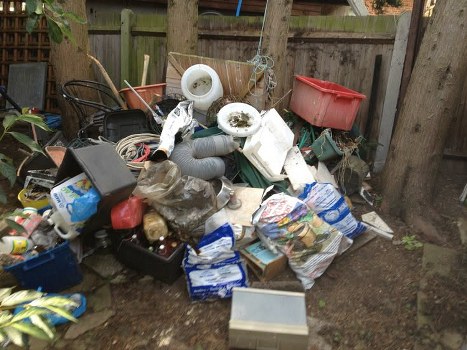
Every workplace is different, and office clearance is often needed for very practical reasons. Some customers call when they are relocating to a smaller unit and need to remove surplus furniture before the move. Others need a complete clearance after a lease ends and the landlord has requested the space be emptied. Some simply want to reclaim storage rooms, reduce clutter, and create a more productive environment.
Common situations include:
- Office relocations and end-of-tenancy clearances
- Refurbishment or redecoration projects
- Business downsizing and space reduction
- Closure of a branch, department, or satellite office
- Clearance after equipment upgrades
- Removal of old archive material and storage clutter
- Emptying shared workspaces, studios, or serviced offices
For many local customers, the challenge is less about what needs to go and more about how to do it without disrupting the rest of the building. That is especially true in offices above shops, converted houses, business centres, or older properties where staircases are narrow and lift access is limited. A careful waste removal team can work around those conditions efficiently.
What Is Usually Included in the Service
Although every job is different, a typical office clearance service is built around removing unwanted items, loading them safely, and leaving the premises swept and manageable. The exact scope depends on what you need cleared, how much there is, and whether any items require dismantling or special handling. The best companies will be clear from the start about what they can take and how the job will be organised.
What is commonly included:
- Loading and removal of office furniture and bulky waste
- Dismantling of selected items where needed
- Collection from floors, basements, upper levels, and storage areas
- Removal of general commercial waste and mixed junk
- Responsible sorting of recyclable materials where possible
- Basic tidying after the clearance is complete
- Transport away from the site by a suitable waste removal vehicle
Some customers also ask for help with more detailed clearances. This can include separating reusable items from waste, moving archive boxes, removing broken office partitions, or clearing reception areas and meeting rooms first. If your premises include shared corridors, private car parks, or managed access, a local team can usually plan the collection around those conditions.
How Office Clearance Works
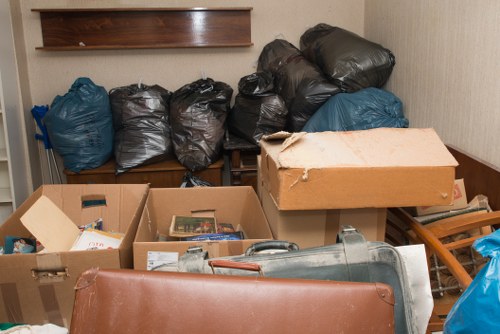
The process is designed to be simple, but it starts with a clear understanding of what needs to be removed. Most office clearance jobs begin with an enquiry or site assessment. This may involve sharing photos, listing the items, or arranging a visit so the team can understand access, volume, and any special requirements. The goal is to make the collection efficient and avoid disruption on the day.
Once the job is confirmed, the team schedules a time that suits your business. For office clearance in waste removal, timing matters. Some businesses need an early start before staff arrive, while others prefer an evening or weekend collection to keep operations running during office hours. In mixed-use buildings, timing can also depend on loading restrictions, building management rules, or customer traffic.
On the day, the crew will arrive with the right vehicle and equipment for the load. Items are removed carefully, moved through the property with attention to walls, floors, and communal spaces, and loaded securely. If needed, furniture can be dismantled before removal. Once everything is taken away, the area is checked and left as tidy as possible so you can move on to the next stage of your project.
Access, Parking, and Building Challenges
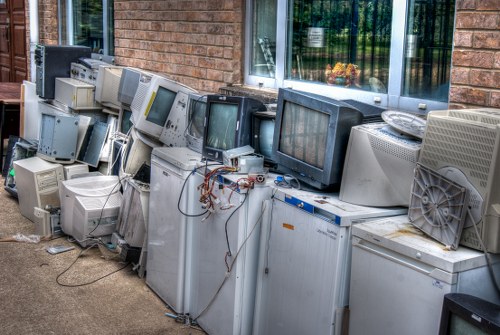
One of the biggest reasons local customers choose a nearby waste removal team is simple: they know the area and the likely obstacles. Office buildings in town centres, near main roads, or within older terraces often have limited parking and restricted loading space. Some offices sit above retail units, inside shared business centres, or in converted properties where access takes careful planning.
Common challenges include narrow stairways, lift bookings, height barriers, timed access slots, shared entrances, and the need to avoid blocking neighbours or customers. Local crews are used to these conditions and can usually work within them more efficiently than a team unfamiliar with the area. That practical knowledge can save time on the day and reduce the chance of delays.
For businesses in surrounding neighbourhoods and nearby areas, a local service can also respond more flexibly if plans change. Office clearances sometimes need to be adjusted when move dates shift, refurbishment work overruns, or furniture has to be moved sooner than expected. Being able to adapt quickly is a major benefit for commercial customers.
Residential and Commercial Customers We Help
Although this service is focused on offices, many local customers are part of the wider commercial and residential landscape. That might include landlords dealing with office units in mixed-use buildings, letting agents handling end-of-tenancy clearances, small business owners working from converted premises, or home-based professionals who need bulky office items removed from a domestic property. A good waste removal service can adapt to each setting.
We often help with:
- Standalone offices and business suites
- Co-working spaces and shared offices
- Retail units with back-office storage
- Studios and creative workspaces
- Converted houses used for commercial activity
- Residential properties containing office furniture or business waste
- Managed buildings with communal access points
This flexibility is useful because not every clearance looks the same. A small office above a shop might need a careful one-room removal, while a larger commercial site may need several loads and a phased approach. Local customers benefit from a team that can tailor the service rather than forcing everything into a one-size-fits-all process.
Items Commonly Removed During an Office Clearance
Office environments generate a surprising variety of waste, and much of it is awkward to dispose of through normal household or business bins. Clearance services are useful because they can take mixed items in one visit, helping you avoid multiple trips and the hassle of sorting everything yourself. The items removed depend on the job, but the following are frequently collected.
Furniture and Fixtures
Desks, chairs, filing cabinets, meeting tables, reception counters, shelving, cupboards, storage units, and display furniture are all common. Some items may be reusable, while others are broken, outdated, or no longer suitable for the layout of the space. If needed, selected furniture can be dismantled for easier removal.
Paper, Cardboard, and Archive Material
Offices often contain heavy archive boxes, old files, stacks of paperwork, and packaging materials. These can build up quickly in cupboards, storerooms, and under desks. A clearance team can remove them in bulk, which is especially useful when a business is moving or trying to reclaim storage space.
Other common items include:
- Printers, scanners, and photocopiers
- Monitors, keyboards, cables, and IT equipment
- Broken small appliances from staff kitchens
- Partitioning, panels, and redundant fittings
- Carpet offcuts, flooring remnants, and soft furnishings
- General junk from cupboards, lofts, and storage rooms
If you are unsure whether an item can be collected, it is best to ask before booking. That way, the team can advise on the most suitable approach and ensure the vehicle, labour, and handling arrangements are appropriate.
Why Waste Removal Is the Smart Choice for Office Clearance
Using a professional waste removal service for office clearance is often more efficient than trying to deal with the load in-house. Staff have enough to manage during a move, refit, or office closure without spending hours lifting furniture, booking van hires, or sorting disposal arrangements. A dedicated clearance service keeps the task separate from day-to-day business responsibilities.
There is also the issue of handling. Office items can be heavy, awkward, or difficult to move safely without the right people and equipment. Tables, metal cabinets, and old tech can cause injury or damage if they are shifted carelessly. Professional crews are used to this work and know how to move items through busy or confined spaces with care.
Another advantage is consistency. When you want a workplace cleared by a particular date, reliability matters. A local waste removal provider can often offer a more practical, straightforward service with less waiting around and fewer complications. That is especially valuable for customers working to a handover deadline or coordinating with decorators, cleaners, or landlords.
Pricing Factors for Office Clearance
Because every office clearance is different, pricing is usually based on a few key factors rather than a fixed one-size-fits-all figure. A reputable local company will normally ask about the size of the job, the type of items involved, access conditions, and the amount of labour required before giving a quote or estimate.
Common pricing factors include:
- Volume of waste or furniture to be removed
- Type of items, including bulky or heavy objects
- Number of floors and ease of access
- Parking distance from the building
- Whether items need dismantling or special handling
- Time needed to complete the clearance
- Any unusual building restrictions or phased removals
To make the process easier, it helps to provide a few clear photos or a simple list of the main items. If the job is large, a site visit may be the best way to assess the work properly. This gives you a more accurate quote and helps avoid surprises on the day. For local businesses, that clarity is especially helpful when planning budgets and deadlines.
How to Prepare for Your Office Clearance
A little preparation can make office clearance smoother and faster. You do not need to do everything yourself, but organising the space before the team arrives helps reduce time on site and makes sure the right items are taken. It also helps the crew work safely and avoid unnecessary handling.
Preparation checklist:
- Identify what should be removed and what should stay
- Separate confidential documents if they need special handling
- Remove personal belongings from desks and drawers
- Make sure access routes are clear where possible
- Tell building management if loading bays or lifts need booking
- Note any fragile surfaces, restricted areas, or security rules
- Let the team know about large items or obstacles in advance
If you are clearing several rooms, it can also help to label areas that are ready first. This is useful in busy offices where some departments are staying open while others are being emptied. A staged clearance can keep your business functioning while the removal work is completed in sensible phases.
Environmental Responsibility and Recycling
Many customers want their office clearance handled responsibly, and that means more than just taking things away quickly. Good waste removal services aim to sort items wherever practical so recyclable materials do not go unnecessarily to waste. Office clearances often contain cardboard, metals, plastics, wood, and electrical equipment that may be processed separately depending on the load.
Reusing or recycling suitable materials can make a real difference, especially in larger office clearances where there may be a lot of furniture and packaging. Even smaller jobs can produce a surprising amount of material when desks, chairs, cabinets, and old technology are removed together. A local team that works carefully with mixed commercial waste can help reduce the environmental impact of the clearance.
It is also worth noting that offices sometimes contain items that should be treated with extra care, such as electrical goods or materials that need proper disposal routes. If your premises contain anything unusual, mention it when arranging the job so the clearance can be planned correctly.
Areas Covered and Local Relevance
Local office clearance customers often search for a team that can cover the town centre, surrounding neighbourhoods, nearby villages, business parks, industrial estates, and out-of-town office locations. That local reach matters because commercial properties are rarely all in the same setting. Some are in busy high streets with short-stay parking, while others sit on quieter estates with longer access drives and loading yards.
A local waste removal team is useful across different property types, including:
- High-street offices above shops
- Modern business units
- Shared office suites
- Older converted premises
- Light industrial and trade locations with office space
- Mixed-use buildings with commercial and residential access
Because local routes, traffic patterns, and building layouts vary, a nearby provider can often plan collections more efficiently. That means less waiting, fewer access issues, and a better chance of fitting the clearance into your preferred time window. If your business is in or around nearby areas, a local team is usually the most practical option for waste removal and office clearances alike.
Why Choose a Local Company for Office Clearance in Waste Removal
Choosing a local company often gives you a more responsive and personal experience. Instead of dealing with a distant provider unfamiliar with the area, you get a team that understands the streets, traffic, access points, and common property layouts. That familiarity can make a noticeable difference, especially when a clearance must happen under time pressure.
Local companies are also well placed to offer flexible scheduling, whether you need a quick collection, a planned phased clearance, or a time slot outside peak business hours. For offices in busy buildings, that flexibility is valuable because it helps avoid clashes with staff, visitors, or other tenants. It can also make communication simpler when there is a change to the plan.
Another advantage is accountability. A local service is part of the community it works in, and that often encourages a practical, customer-first approach. For office clearance in waste removal, that means a straightforward service, clear expectations, and support from people who understand local customers and local premises.
Frequently Asked Questions
Can you clear an office while other staff are still working?
Yes, in many cases the work can be phased so only certain rooms or floors are cleared at a time. If the office is occupied, it helps to plan access routes and timing in advance.
Do you remove bulky office furniture?
Yes, desks, chairs, cabinets, shelving, tables, and similar items are commonly removed. If items need dismantling first, that can usually be arranged as part of the service.
Can you help with mixed commercial waste?
Yes, many office clearances involve mixed waste, including furniture, cardboard, paper, and equipment. The team can advise on the best way to handle different item types.
What if my office is on an upper floor?
That is very common. Local crews are used to working in buildings with stair access, lifts, or shared corridors. It is helpful to mention the access details when requesting a quote.
Do I need to sort everything before the team arrives?
No, but it helps to separate what should stay from what should go. The more clearly you can identify the clearance area, the smoother the job will be.
Can you handle office clearances in residential-style buildings?
Yes. Many offices are located in converted houses, mixed-use blocks, or properties with domestic-style access. A local waste removal team can adjust to those settings.
How do I get started?
Simply request a quote, share the details of the office clearance, and let the team know about access, parking, and item types. Contact us today if you are ready to move forward.
Ready to Arrange Your Office Clearance?
If you need a reliable, local solution for office clearance in waste removal, the best next step is to get in touch with your job details. Whether you are clearing a few pieces of furniture, emptying a storage room, or preparing an entire workplace for handover, a local team can help you get it done efficiently and with less disruption.
Office clearances are often time-sensitive, and customers usually want a service that is easy to arrange, practical on site, and suited to the realities of local buildings and access conditions. That is exactly where a professional waste removal provider can make a difference. From small offices and home-based workspaces to larger commercial premises, the right team can remove the clutter and help you move on to the next stage.
Request a free quote, ask about availability, or book your service now when you are ready. A well-planned clearance can save your business time, reduce hassle, and leave your premises clear, safer, and ready for what comes next.